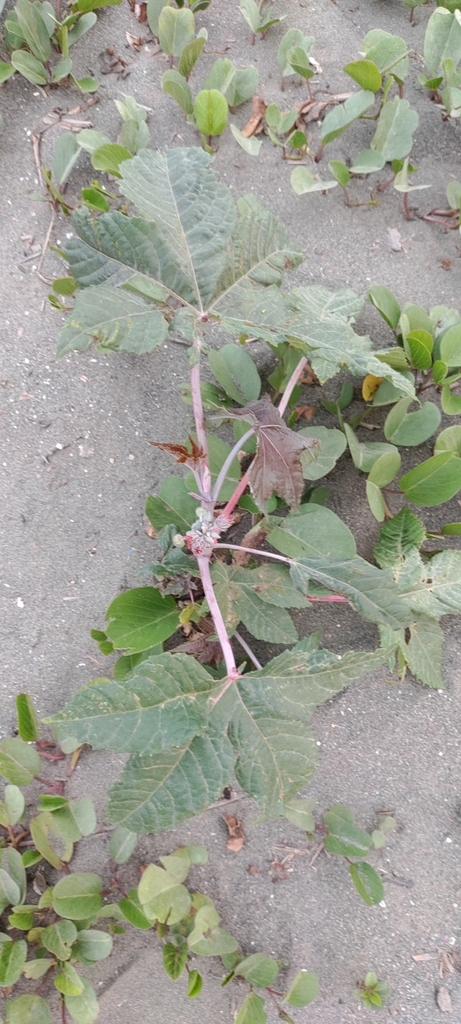
Castor Bean
- Origin
- Africa
- Part used
- See detailed notebook
- Tradition
- Traditional ethnobotany
Native to the fringes of East Africa, the castor bean spread along trade routes since antiquity, reaching as far as the gardens of Egypt, where its oil was found in the tombs of the pharaohs. A generous shrub with a majestic silhouette and glossy seeds, it has always been as precious as it is to be handled with caution.
Traditional uses
Occasional traditional purgative
Castor oil was long used in Africa, India, and Europe as a strong purgative for occasional constipation, a use now strictly regulated.
Hair and scalp care
Applied as a massage, castor oil was valued for nourishing dry hair and strengthening weakened scalps, a cosmetic use widespread for generations.
Emollient for dry skin
As a local rub, the oil was traditionally used to soften rough skin, calluses, and certain superficial skin lesions.
Traditional use linked to labor
In some folk traditions, ingested castor oil was believed to induce labor in women at full term, a practice now strongly discouraged without medical advice.
Before you use it
Castor seeds are highly toxic (containing ricin), and a single chewed seed can be dangerous, particularly in children: never eat the seeds raw or whole. Castor oil for internal use must be extracted and purified through strict processes; any internal use should remain occasional and supervised by a healthcare professional. Contraindicated in pregnant women (risk of inducing labor) except on medical advice, and discouraged in young children. Prolonged or repeated internal use can cause digestive imbalance, cramps, and bowel dependency; never exceed occasional use.
The detailed notebook
- Prepared as a paste or decoction
- Traditional duration of use
- Known contraindications
- Related species and their uses
Where to find it
Partner herbalists — available with the detailed notebook.
Sources
PFAF