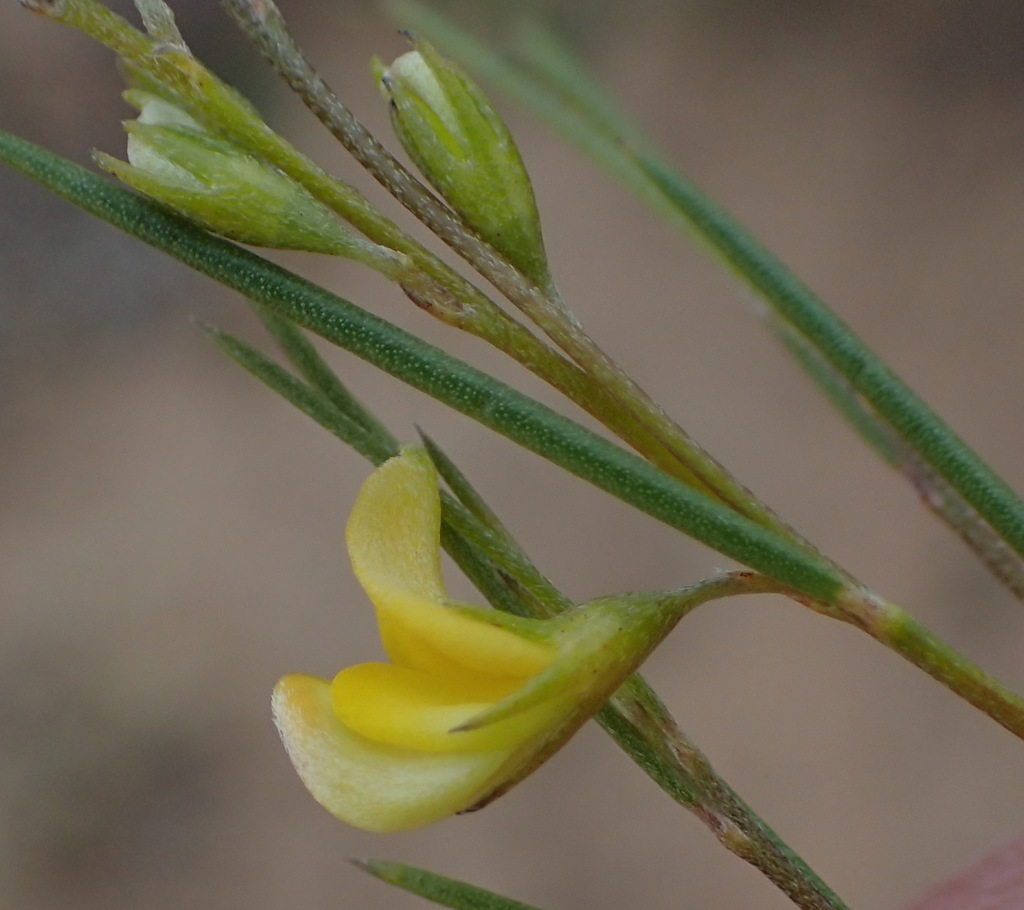
Rooibos
- Origin
- Africa
- Part used
- See detailed notebook
- Tradition
- Traditional ethnobotany
On the arid slopes of the Cederberg Mountains, in South Africa, the Khoisan peoples have harvested the fine reddish needles of Aspalathus linearis for generations. Fermented and then sun-dried, this plant became the daily drink of an entire people, long before the world discovered its sweetness. To this day, rooibos remains a symbol of hospitality and rediscovered simplicity.
Traditional uses
Digestive comfort after meals
Traditionally drunk after meals, rooibos was considered soothing for the stomach and helpful for digestion among South African families.
A calming evening drink
Free of theine and caffeine, this infusion was readily drunk at the end of the day to accompany a moment of calm and relaxation.
Traditional skin care
Cooled rooibos infusions were used as washes or compresses to soothe sensitive or irritated skin, according to local folk uses.
A daily vitality drink
Drunk daily as an everyday beverage, rooibos was reputed among the Khoisan to support energy and general well-being.
What to know before use
Although widely consumed without concern, excessive and prolonged use could interact with certain medications; ask a professional for advice if undergoing treatment. Pregnant or breastfeeding women are advised to seek advice before regular consumption, as a general precaution. Choose a good-quality, untreated rooibos for both internal and external use.
The detailed notebook
- Prepared as a paste or decoction
- Traditional duration of use
- Known contraindications
- Related species and their uses
Where to find it
Partner herbalists — available with the detailed notebook.
Sources
PFAF