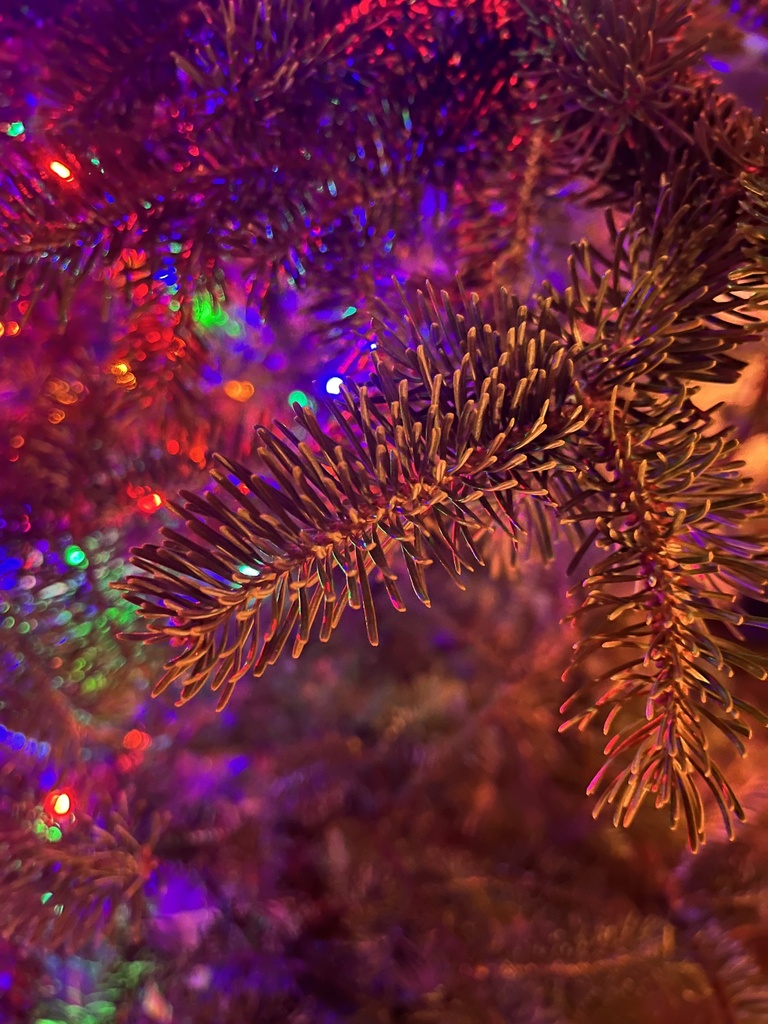
Balsam Fir
- Origin
- North America
- Part used
- Leaves, Root, Bark
- Tradition
- Traditional ethnobotany
Balsam fir has accompanied the peoples of North America's boreal forests for generations, its fragrant resin and dark green needles held as precious allies for both hearth and body. The Indigenous nations, and the settlers who followed them, drew balms, decoctions, and fumigations from it, passed down over time as knowledge of wood and sap.
Traditional uses
Resinous balm for minor wounds
The resin (a local balm of Gilead) was traditionally applied to cuts, chapping, and skin irritations, reputed to form a protective film over the skin.
Vapors and infusions for the airways
The needles, infused or used as a fumigation, were traditionally used to clear the airways during seasonal chills.
Bark and resin as rubs
The bark and resin, applied as a poultice or ointment, traditionally accompanied the relief of muscular and joint stiffness after exertion.
Purifying fumigation of the home
Dried branches were burned in certain Indigenous traditions to purify the air of dwellings, a use as ritual as it was practical.
Before you use it
The pure resin may cause allergic or irritative reactions in sensitive skin; always test on a small area before use. Avoid prolonged internal use without the advice of a health professional, for lack of sufficient documentation on long-term safety. Not advised during pregnancy or breastfeeding, or in young children, for lack of reliable data. Do not ingest the raw resin in large quantities, as it may irritate the digestive mucosa.
The detailed notebook
- Prepared as a paste or decoction
- Traditional duration of use
- Known contraindications
- Related species and their uses
Where to find it
Partner herbalists — available with the detailed notebook.
Sources
PubMed, Wikipedia