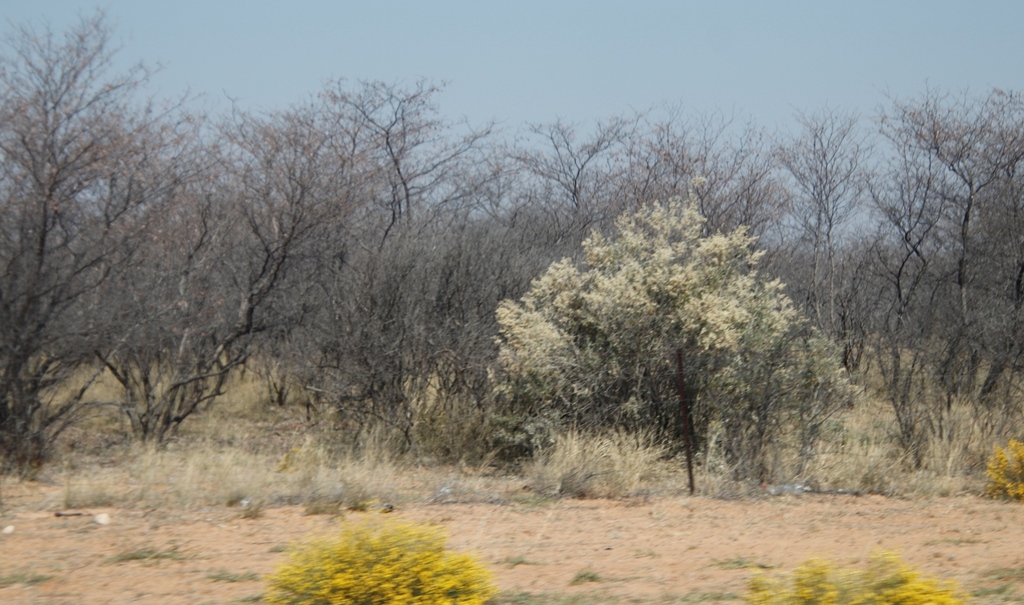
Tarchonanthus camphoratus
- Origin
- Africa
- Part used
- See detailed notebook
- Tradition
- Traditional ethnobotany
A shrub with silvery foliage and a powerful camphor scent, Tarchonanthus camphoratus grows in the savannas and scrublands of southern and eastern Africa. The peoples of these regions, particularly Xhosa, Zulu, and San communities, have long credited it with purifying virtues, both for the body and for living spaces. It is sometimes nicknamed the "camphor bush" for the powerful aromatic compounds it releases when its leaves are crushed.
Traditional uses
Fumigation against respiratory conditions
The dried leaves were traditionally burned or infused for fumigation to relieve coughs, colds, and nasal congestion, the camphorous smoke being inhaled to clear the respiratory tract.
Traditional care for skin conditions
Poultices or washes made from crushed leaves were applied locally to the skin to soothe certain irritation and promote the healing of minor wounds.
Calming, purifying ritual use
The smoke released by burning leaves was used in certain traditional rituals to purify the air of a dwelling and create an atmosphere considered conducive to rest and calm.
Traditional infusion for digestive troubles
A light leaf decoction was sometimes drunk in folk use to relieve abdominal pain and minor digestive troubles.
Before you use it
A plant rich in camphorous compounds whose prolonged or concentrated internal use can be irritating, even toxic; reserve for occasional, supervised use. Discouraged in pregnant or breastfeeding women as well as young children, for lack of safety data and due to an aromatic profile close to other camphors known to carry risk. Inhalation during fumigation should remain moderate and well-ventilated, as too intense exposure can cause headaches or respiratory irritation. The advice of a healthcare professional or qualified herbalist is recommended before any internal use, particularly if undergoing medication treatment.
The detailed notebook
- Prepared as a paste or decoction
- Traditional duration of use
- Known contraindications
- Related species and their uses
Where to find it
Partner herbalists — available with the detailed notebook.
Sources
PFAF