Linden
- Origin
- Europe
- Part used
- Flowers
- Tradition
- Traditional ethnobotany
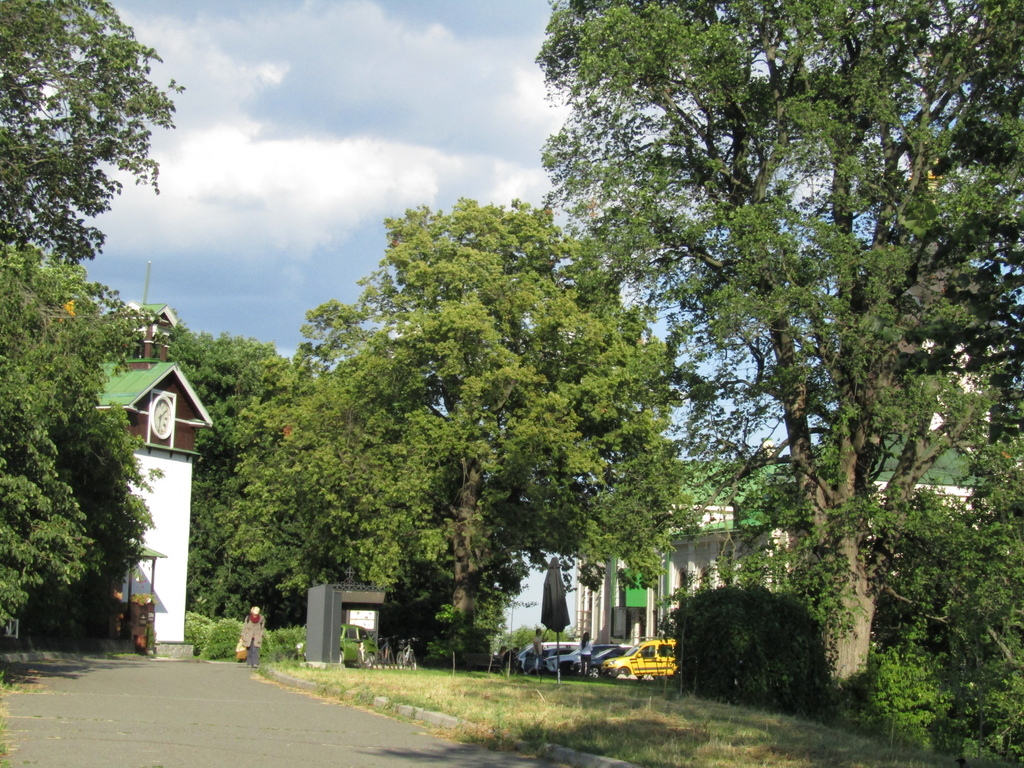
Beneath the old linden trees of village squares, people came as much for the shade as for the flower. Since the Middle Ages, the blossoms of this familiar tree of the European countryside have accompanied quiet evenings and winter colds, patiently gathered in the warm season.
Traditional uses
Traditional aid for falling asleep
Linden flower is traditionally infused in the evening to promote relaxation and support falling asleep, a folk use for generations in the European countryside.
Comfort during a cold
Used as a hot infusion, linden flower traditionally accompanied winter colds, often combined with other plants such as marshmallow or elderberry.
Digestive support after meals
A linden tea at the end of a meal was traditionally drunk to soothe mild digestive tension and promote a feeling of comfort.
Soothing bath for sensitive skin
Decoctions of linden flowers were sometimes added to bathwater, particularly for restless children or irritated skin, according to folk tradition.
Before you use it
Prolonged use at high doses is sometimes not recommended for people with heart conditions, as a traditional precaution. As with any plant, seek the advice of a healthcare professional in cases of pregnancy, breastfeeding, or ongoing medication. Favor well-dried, unspoiled flowers, since storage that is too long reduces their quality and can encourage unwanted mold.
The detailed notebook
- Prepared as a paste or decoction
- Traditional duration of use
- Known contraindications
- Related species and their uses
Where to find it
Partner herbalists — available with the detailed notebook.
Sources
PFAF, Wikipedia