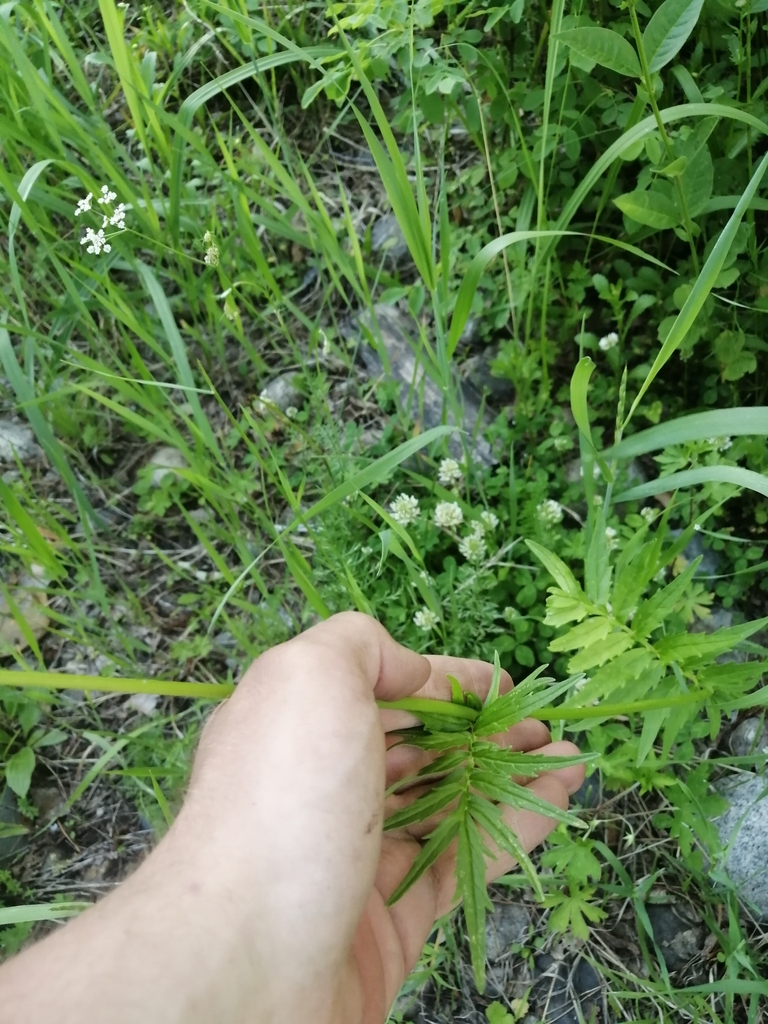
Valerian
- Origin
- Europe
- Part used
- See detailed notebook
- Tradition
- Traditional ethnobotany
In the gardens and damp hedgerows of Europe, valerian has long built a reputation as an ally of rest. Old herbalists sometimes nicknamed it "cat's herb" or "cure-all," so present was its fragrant root in folk pharmacopoeias. Its traditional use as a calming plant dates back to antiquity and has continued through the centuries across Europe.
Traditional uses
Encouraging sleep
Valerian root was traditionally taken as an evening tea to calm restlessness and encourage more peaceful sleep.
Calming nervousness
It was traditionally credited with easing bouts of passing nervousness and everyday stress-related tension.
Easing digestive spasms
In some rural traditions, valerian was used to relieve stomach cramps of nervous origin.
Accompanying nervous palpitations
Herbalists of the past sometimes recommended valerian for anxiety-related palpitations, unconnected to any established heart condition.
Before you use it
Not advised for pregnant or breastfeeding women, or for young children, without professional guidance. May potentiate the effect of certain sedatives, sleep aids, or anti-anxiety medications: seek advice if taking medication. Avoid driving or operating machinery after use, due to possible drowsiness. Prolonged or high-dose use should be supervised by a qualified professional.
The detailed notebook
- Prepared as a paste or decoction
- Traditional duration of use
- Known contraindications
- Related species and their uses
Where to find it
Partner herbalists — available with the detailed notebook.
Sources
PFAF