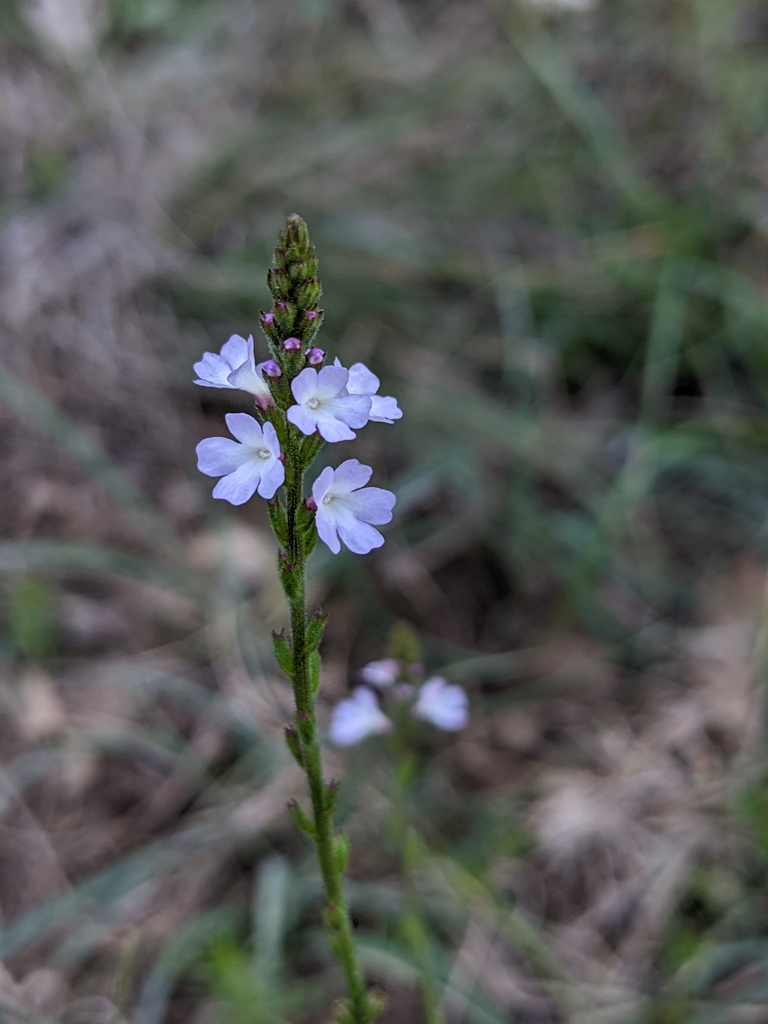
Vervain
- Origin
- Europe
- Part used
- See detailed notebook
- Tradition
- Traditional ethnobotany
Vervain, a humble plant of paths and wastelands, was long held in high esteem by Gaulish druids and later by medieval herbalists, who regarded it as almost sacred. It appears in many old European herbals, associated with calming the nerves and aiding digestion.
Traditional uses
Traditional nervous calm
Vervain was traditionally infused to calm the nerves and encourage peaceful sleep after a hectic day.
Support for digestion
Used after meals in the European countryside, it traditionally accompanied difficult digestion and a heavy stomach.
A plant for convalescents
Once given to the weakened or feverish, it was among the folk remedies meant to support the body during recovery.
A soothing external use
As a compress, vervain decoction was applied to minor skin irritation and light bruising in folk tradition.
Before you use it
Not advised for pregnant or breastfeeding women, as the plant has traditionally been associated with emmenagogue properties. Avoid in cases of anticoagulant treatment without prior medical advice. Do not exceed usual traditional doses; prolonged use should be discussed with a healthcare professional. Consult a doctor or pharmacist before any use in children.
The detailed notebook
- Prepared as a paste or decoction
- Traditional duration of use
- Known contraindications
- Related species and their uses
Where to find it
Partner herbalists — available with the detailed notebook.
Sources
PFAF, Wikipedia