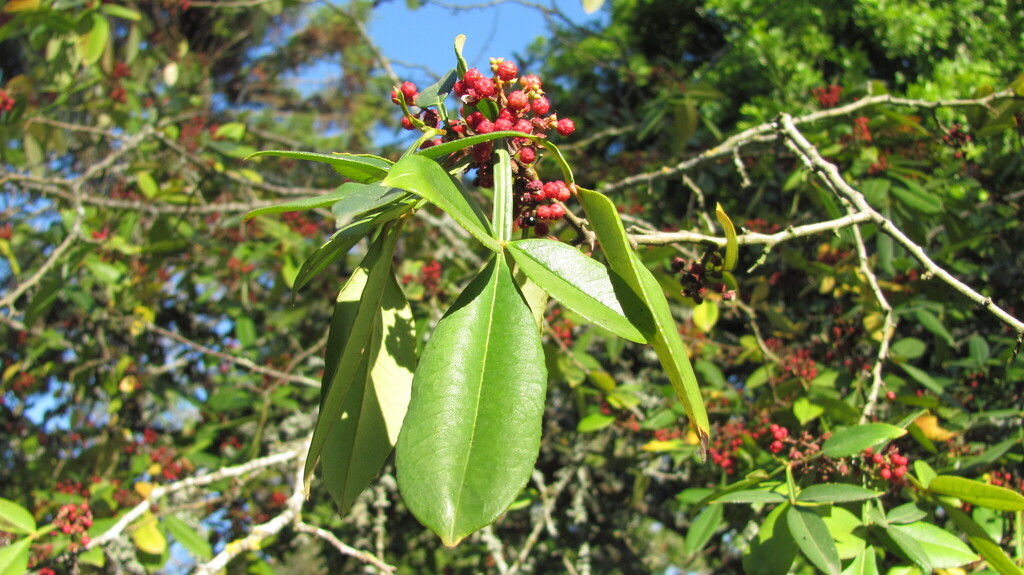
Zanthoxylum armatum
- Origin
- Asia
- Part used
- See detailed notebook
- Tradition
- Traditional ethnobotany
In the Himalayan valleys and the forests of Southeast Asia, Zanthoxylum armatum — a cousin of Sichuan pepper — has long been grown near homes for its pungent, fragrant berries. Ancient herbalists of Nepal, northern India, and China made it as much a spice as a first-line remedy for mouth and stomach ailments.
Traditional uses
Digestive support
The berries were traditionally chewed or infused after meals to soothe digestive heaviness and bloating, in the manner of Asia's carminative spices.
Relief of dental pain
The twigs and berries, known for their mildly numbing effect on the mucous membranes, were traditionally chewed to relieve toothaches and freshen the breath.
Rubs against muscle pain
The oil or paste obtained from the berries and bark was applied as a rub on painful joints and muscles in Himalayan traditions.
A traditional use against cough
In China and Nepal, a light decoction of the berries was sometimes given to calm coughing and seasonal colds.
What to know before use
A plant to consume in moderation: at high doses, it can cause irritation of the mucous membranes, dizziness, or digestive upset. Not recommended for pregnant or breastfeeding women, in the absence of sufficient safety data. Avoid in young children and if undergoing medication treatment, particularly anticoagulants, without the advice of a health professional. Do not use the essential oil or concentrated preparations without supervision, due to the risk of skin irritation and possible photosensitization.
The detailed notebook
- Prepared as a paste or decoction
- Traditional duration of use
- Known contraindications
- Related species and their uses
Where to find it
Partner herbalists — available with the detailed notebook.
Sources
PFAF, Wikipedia