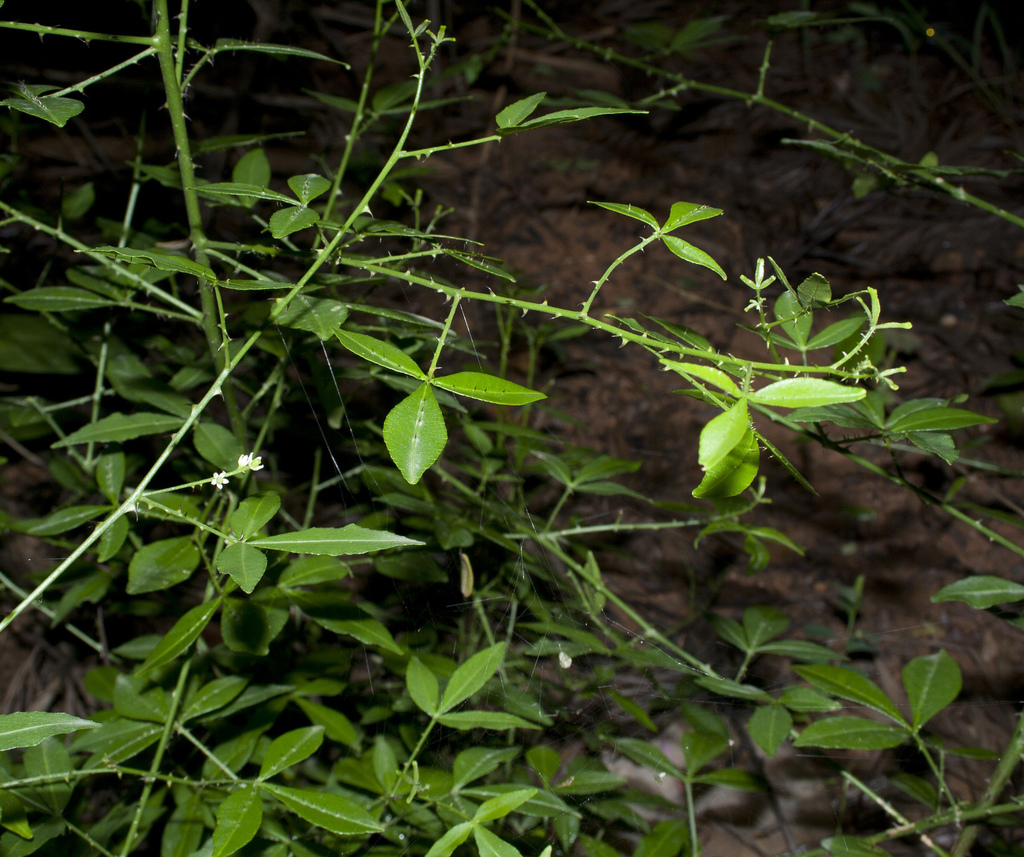
Zanthoxylum asiaticum
- Origin
- Africa
- Part used
- See detailed notebook
- Tradition
- Traditional ethnobotany
In Africa, the bark and pungent fruit of Zanthoxylum asiaticum, the African cousin of Sichuan pepper, have long featured in local traditional pharmacopoeias. Known for its sharp, warming flavor that slightly numbs the mouth, this thorny shrub has fed both healers' remedies and certain regional culinary preparations.
Traditional uses
Traditional digestive support
The bark and fruit were traditionally chewed or infused to ease digestive discomfort and stimulate appetite.
Use against toothache
Chewing the bark or fruit is reported in several West African traditions to locally numb tooth and gum pain.
Traditional remedy for respiratory conditions
Bark decoctions were used empirically to accompany coughs and colds in certain traditional practices.
Local application against skin conditions
Crushed bark or a decoction has been used externally on the skin, according to localized folk uses.
Before you use it
A plant with a marked warming, numbing action: avoid in pregnant or breastfeeding women as a precaution. Internal use is discouraged in children without the advice of a healthcare professional. Do not exceed short durations of use; prolonged or high-dose use is not documented as safe. Seek the advice of a healthcare professional if undergoing medication treatment, particularly regarding possible interactions.
The detailed notebook
- Prepared as a paste or decoction
- Traditional duration of use
- Known contraindications
- Related species and their uses
Where to find it
Partner herbalists — available with the detailed notebook.
Sources
PFAF