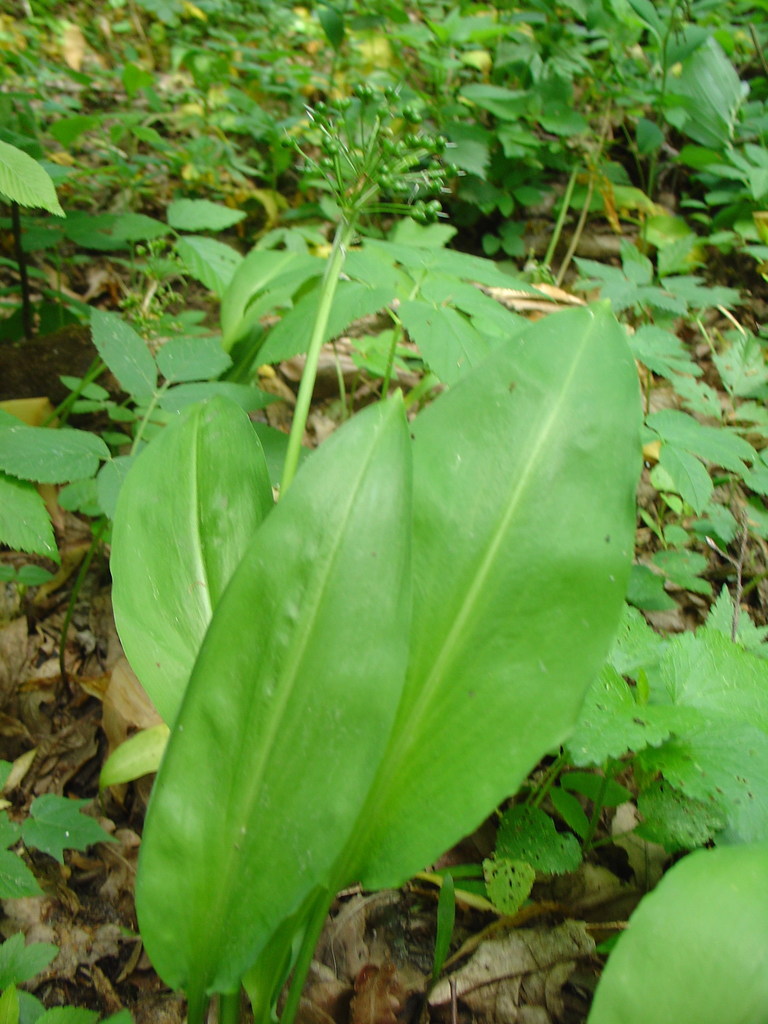
wild garlic
- Origin
- Europe
- Part used
- Leaves
- Tradition
- Traditional ethnobotany
In the damp woodlands of Europe, wild garlic announced spring with its powerful scent, long before its leaves carpeted the forest floor. Old-timers called it "wild garlic" or "wood garlic," and gathered it from the first fine days to purify the blood after winter. A discreet cousin of cultivated garlic, it has occupied a place of its own for centuries in European folk traditions, somewhere between the kitchen and the remedy chest.
Traditional uses
Support for blood circulation
Traditionally, wild garlic was eaten in spring to thin the blood and support circulation, much like cultivated garlic, with which it shares certain sulfur compounds.
Spring digestive tonic
Fresh leaves were used to stimulate digestion and support traditional end-of-winter cleansing cures.
Traditional support for the heart and blood vessels
In folk use, wild garlic was associated with general upkeep of the cardiovascular system, linked to its sulfur compounds similar to those of common garlic.
Support during colds
Eaten raw or in preparations, it traditionally accompanied minor seasonal colds, much like garlic and onion.
Before you use it
Never forage it yourself without certain identification: wild garlic leaves closely resemble those of lily of the valley, autumn crocus, or lords-and-ladies, all three toxic and potentially fatal. Not recommended for pregnant or breastfeeding women or young children, due to insufficient data on supervised traditional use. May interact with anticoagulant or antiplatelet treatments due to its sulfur compounds; seek a healthcare professional's advice during ongoing treatment. Excessive consumption can cause digestive upset; it is best to stick to culinary or traditionally reported amounts.
The detailed notebook
- Prepared as a paste or decoction
- Traditional duration of use
- Known contraindications
- Related species and their uses
Where to find it
Partner herbalists — available with the detailed notebook.
Sources
PFAF, Wikipedia