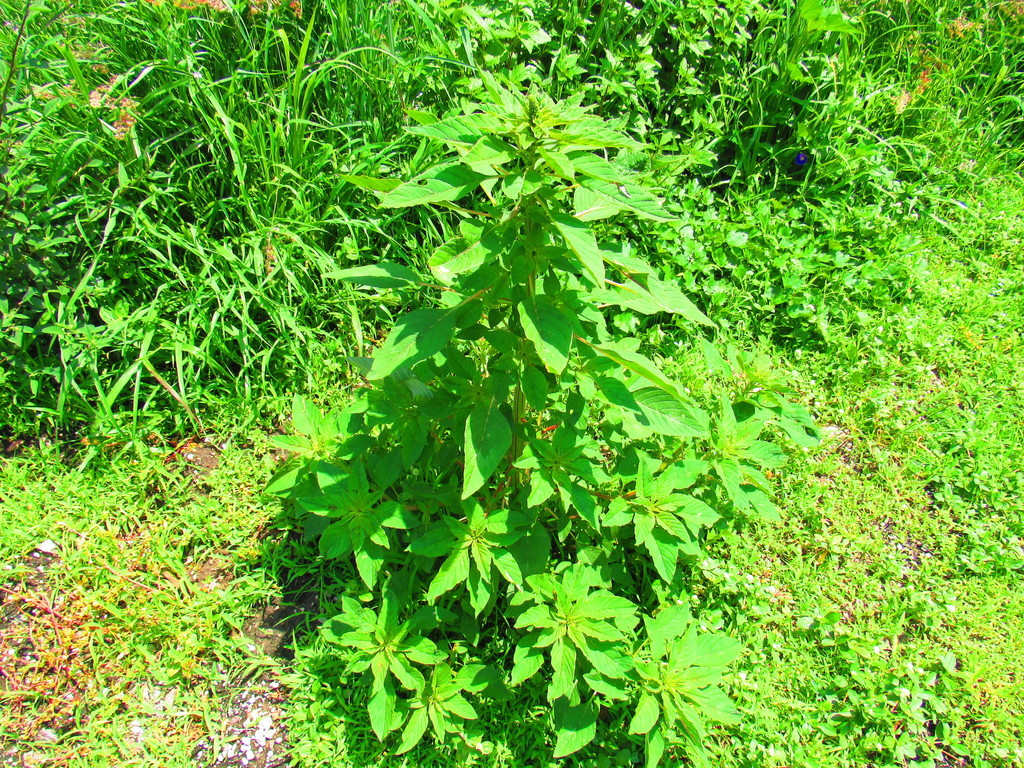
Hybrid Amaranth
- Origin
- Africa
- Part used
- See detailed notebook
- Tradition
- Traditional ethnobotany
In the fields and gardens of Africa, hybrid amaranth grows readily, often regarded as a simple weed before women gather it for the cooking pot. For generations, its tender leaves have nourished families as much as they have treated everyday minor ailments, in the manner of a wild spinach of the African continent.
Traditional uses
Soothing mild digestive troubles
The leaves as a light decoction were traditionally drunk to calm stomach aches and promote gentler digestion.
A nourishing, remineralizing leaf
Eaten as a cooked leafy vegetable, hybrid amaranth is traditionally reputed for its mineral content, particularly useful during periods of convalescence or fatigue.
Traditional care for minor wounds
Crushed leaves were applied as a poultice on bites, irritation, or minor wounds to soothe the skin.
Traditional postpartum support
In certain regions of Africa, a decoction of the whole plant was given to new mothers to support recovery after childbirth.
What to know before use
Like many leafy vegetables, amaranth can accumulate nitrates depending on the nature of the soil; favor cooking and moderate consumption. Not recommended in large amounts for pregnant women, as a precaution, due to traditional uses linked to women's health. Wash and cook wild-gathered leaves thoroughly to limit any risk linked to soil pollution or parasites. If in doubt about identifying the plant, prefer cultivated leaves or those sold at market rather than uncertain wild gathering.
The detailed notebook
- Prepared as a paste or decoction
- Traditional duration of use
- Known contraindications
- Related species and their uses
Where to find it
Partner herbalists — available with the detailed notebook.
Sources
PFAF