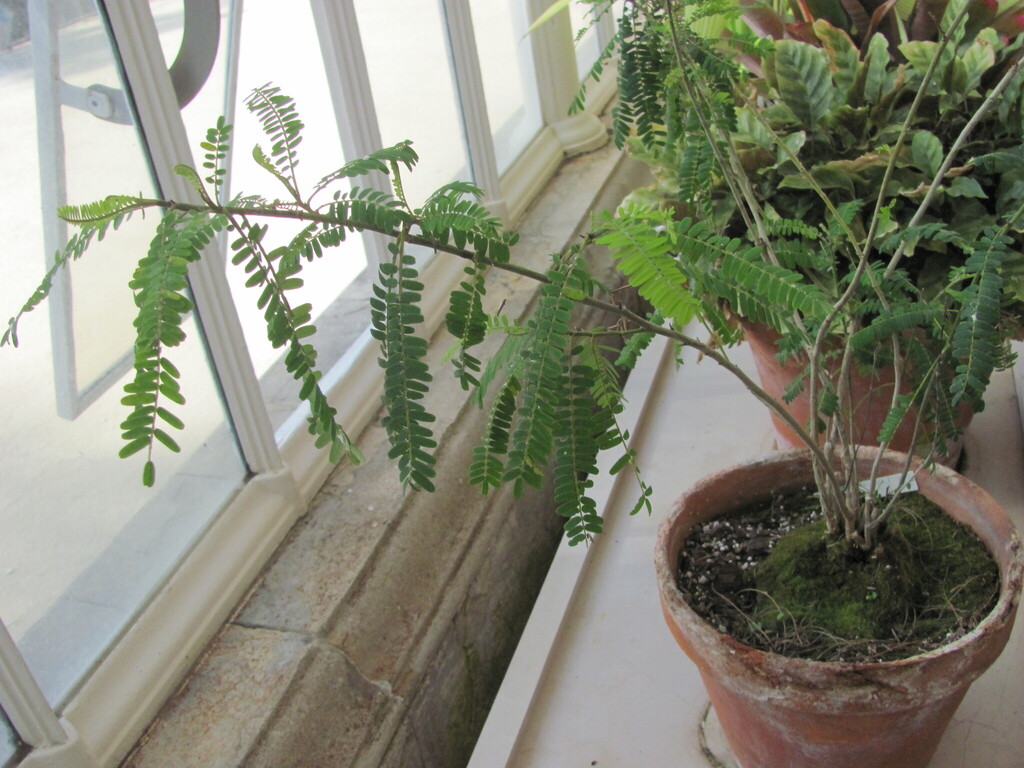
Amla
- Origin
- Asia
- Part used
- See detailed notebook
- Tradition
- Traditional ethnobotany
A sacred fruit of Ayurvedic medicine, amla — or Indian gooseberry — has adorned the courtyards and gardens of the Indian subcontinent for millennia. A small, tart green fruit, it was said to preserve vigor and clarity of mind, and held a place of honor in the famous traditional Chyawanprash.
Traditional uses
Digestive support
Amla fruit was traditionally consumed to soothe digestive discomfort and promote regular transit, particularly in dried or powdered form.
A traditional fortifier for the body
Considered one of the pillars of Ayurvedic rasayana, it was reputed to support general vitality and help with convalescence.
Traditional care for skin and hair
Amla oil or powder were used as an application to nourish the scalp and give hair shine, according to traditional Indian cosmetic uses.
A traditional source of vitamin C
A fruit particularly rich in natural vitamin C, amla was consumed to support the body during the cold seasons.
What to know before use
Avoid excessive consumption in cases of pre-existing digestive troubles or a sensitive stomach, as amla is very acidic. Seek the advice of a health professional if undergoing diabetes treatment, as interactions with certain hypoglycemic medications have been reported. Not recommended without medical advice for pregnant or breastfeeding women, for lack of sufficient data. If undergoing anticoagulant treatment, consult a professional before any prolonged course.
The detailed notebook
- Prepared as a paste or decoction
- Traditional duration of use
- Known contraindications
- Related species and their uses
Where to find it
Partner herbalists — available with the detailed notebook.
Sources
PFAF, Wikipedia