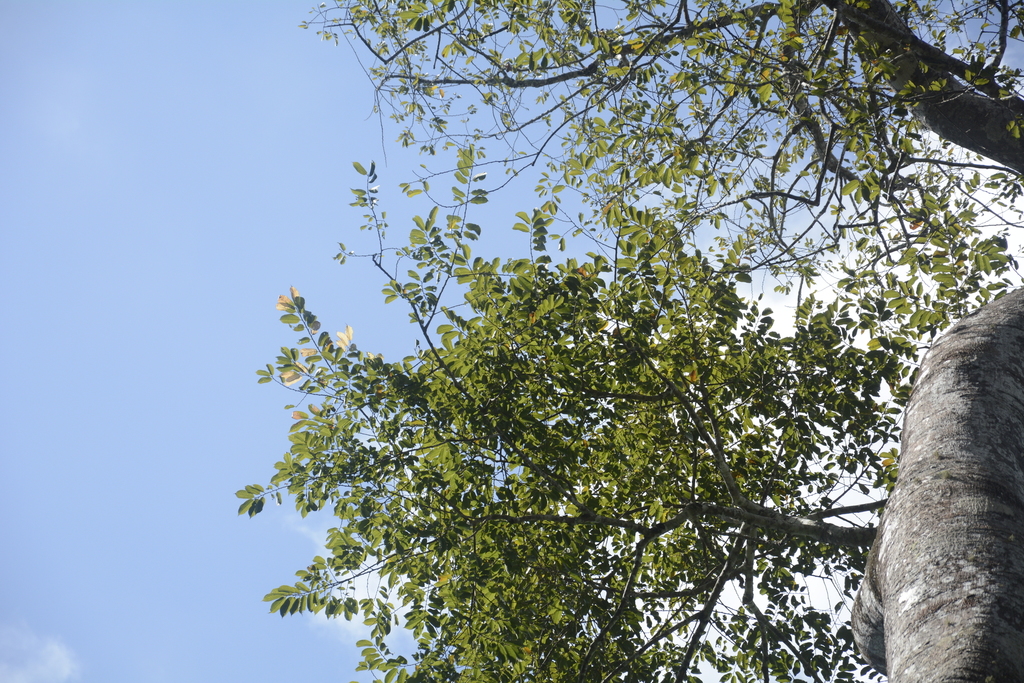
Antiaris
- Origin
- Asia
- Part used
- See detailed notebook
- Tradition
- Traditional ethnobotany
Antiaris, an imposing tree of Asia's tropical rainforests, remained long wrapped in a respect tinged with fear: its sap was once used by certain peoples to poison arrow tips. This fearsome reputation long overshadowed the more measured uses that, in minute doses, were made of its bark in certain local traditional pharmacopoeias.
Traditional uses
External application for pain
The bark, prepared into a paste, was traditionally applied externally to relieve certain localized pains, in the folk knowledge of some regions of Southeast Asia.
Compresses for skin conditions
Bark-based preparations were used as poultices on the skin, according to old local customs, though their effectiveness was never established.
Ceremonial and symbolic uses
Beyond healing, the tree held a strong symbolic place in certain communities, associated with ritual practices and the making of beaten bark cloth (tapa).
Before you use it
The sap and certain tissues of Antiaris contain powerful toxic substances (cardenolides) historically used as arrow poison; any ingestion is strongly discouraged. Internal use should be avoided without guidance from a qualified healthcare professional familiar with the plant. Keep strictly out of the reach of children, and never use during pregnancy or breastfeeding. In case of contact with the sap, avoid any contact with the eyes, mucous membranes, or an open wound, and consult a doctor if in doubt.
The detailed notebook
- Prepared as a paste or decoction
- Traditional duration of use
- Known contraindications
- Related species and their uses
Where to find it
Partner herbalists — available with the detailed notebook.
Sources
Wikipedia