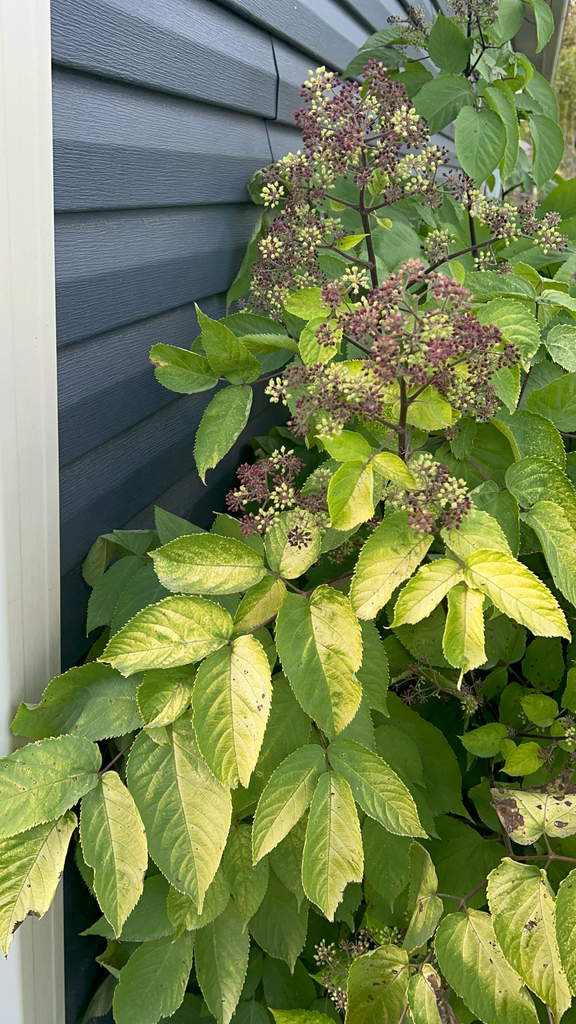
Aralia cordata
- Origin
- Asia
- Part used
- See detailed notebook
- Tradition
- Traditional ethnobotany
Known in Japan as Udo, Aralia cordata has long held a special place in the cuisines and pharmacopoeias of East Asia. Cultivated both for its tender young stems and its seeds, this perennial plant from the Japanese and Chinese mountains has crossed the ages at the crossroads of the vegetable garden and traditional herbalism.
Traditional uses
Supporting digestion
Udo stalk is traditionally eaten to promote light digestion, particularly after hearty meals, following Japanese culinary and folk customs.
Traditional tonic plant
In Asian tradition, the seeds and root of certain Aralia species are associated with a tonic use, thought to support the body's overall energy.
Traditional joint comfort
Certain preparations made from Aralia stem or root have been used empirically to support joint comfort, particularly in the elderly.
Traditional use of the seeds
Aralia cordata seeds have occasionally been used as a decoction in certain folk traditions to accompany seasonal colds.
Before you use it
Traditional uses of Aralia cordata are only sparsely documented outside Japanese cuisine; caution is warranted regarding any therapeutic use. Avoid consuming seeds or concentrated preparations without the advice of a healthcare professional, due to a lack of safety data. Not recommended for pregnant or breastfeeding women, for lack of sufficient data. If undergoing medication treatment, seek advice before any use beyond culinary purposes.
The detailed notebook
- Prepared as a paste or decoction
- Traditional duration of use
- Known contraindications
- Related species and their uses
Where to find it
Partner herbalists — available with the detailed notebook.
Sources
PFAF, Wikipedia