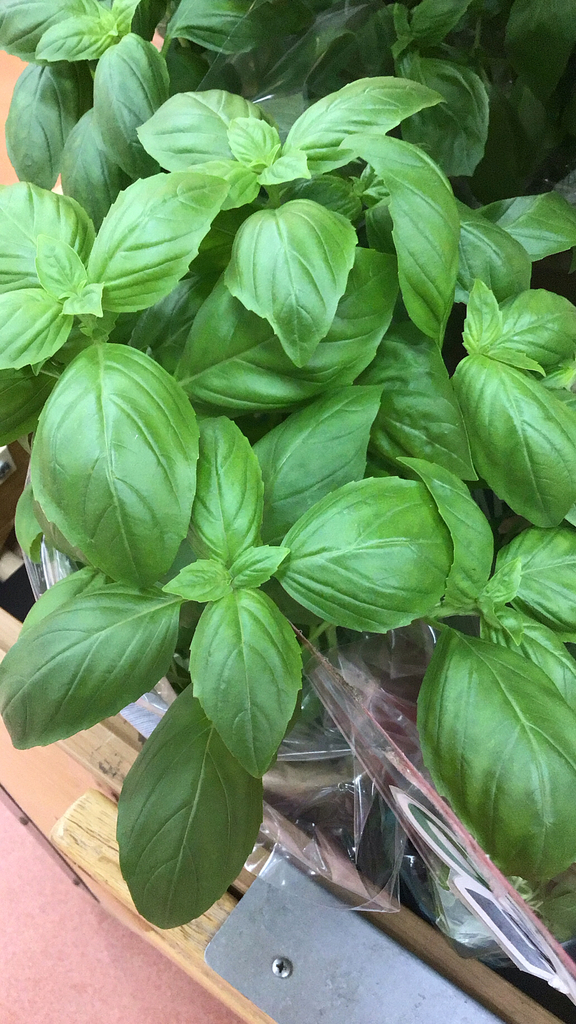
Basil
- Origin
- Asia
- Part used
- See detailed notebook
- Tradition
- Traditional ethnobotany
Native to tropical Asia, basil accompanied caravans and gardens before conquering the kitchens and apothecaries of Europe. The ancients held it to be a plant "that gladdens the heart and calms the mind," as precious at the table as at the bedside of tired stomachs. Its very scent, it is said, was enough to ward off dark thoughts.
Traditional uses
Digestive support
Traditionally infused after meals, basil was reputed to soothe bloating, mild spasms, and slow digestion.
Mild nervous calming
Its scent and infusion have long been used to calm passing nervousness and promote more peaceful sleep.
Comfort in cases of cold
In Asia as around the Mediterranean, basil was infused to help with minor colds and clear the respiratory tract.
A soothing external use
Crushed leaves or an infused compress were traditionally applied to soothe insect bites and minor skin irritation.
What to know before use
Avoid concentrated preparations (essential oil, extracts) during pregnancy and breastfeeding, as ordinary culinary use remains without known issue. If undergoing anticoagulant treatment or in cases of coagulation disorders, seek professional advice before regular therapeutic use. Reserve use to food amounts or a light infusion in young children. Do not confuse everyday culinary use with prolonged therapeutic use, which should remain occasional and considered.
The detailed notebook
- Prepared as a paste or decoction
- Traditional duration of use
- Known contraindications
- Related species and their uses
Where to find it
Partner herbalists — available with the detailed notebook.
Sources
PFAF, PubMed