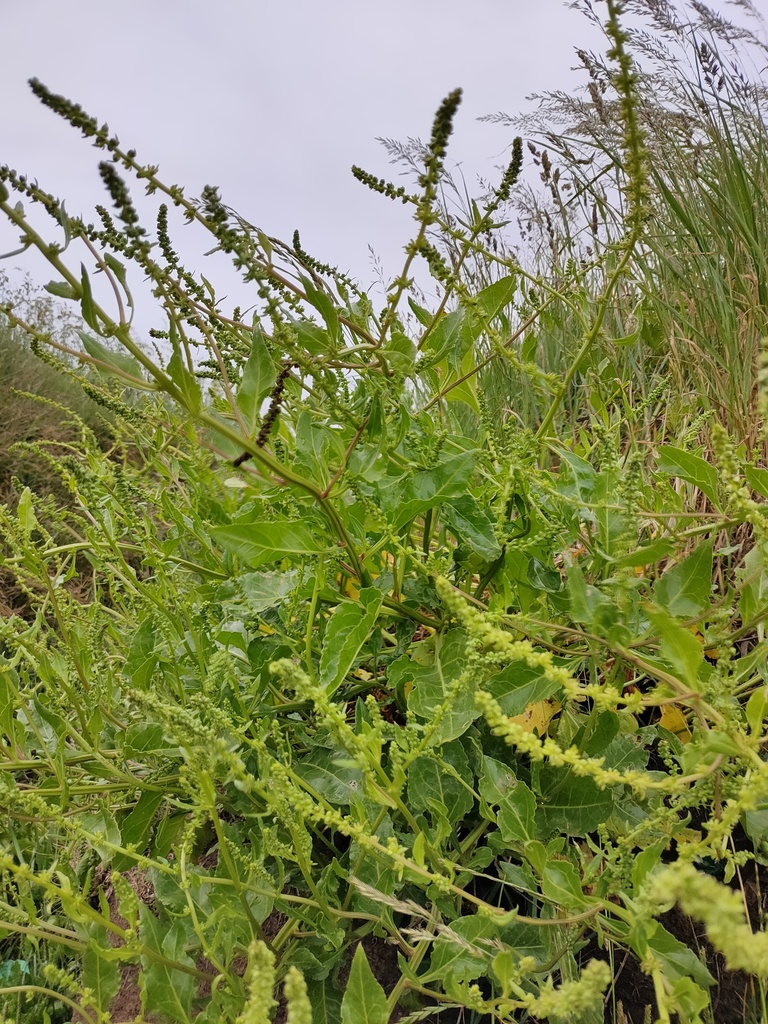
beet
- Origin
- Europe
- Part used
- Leaves, Root
- Tradition
- Traditional ethnobotany
Cultivated since antiquity on Mediterranean shores before spreading to the vegetable gardens of northern Europe, beet was long as much a nourishing vegetable as a folk remedy. Our grandmothers drew from it juices, poultices, and broths, trusting in the virtues of its root, swollen with purple juice.
Traditional uses
Support for general vitality
Raw root juice was traditionally drunk as a seasonal cure, to bring back color and support tired bodies.
Aid for transit
Eaten cooked, beet was reputed to promote regular transit thanks to its richness in fiber and water.
A blood-fortifying reputation
Its deep color long earned beet a folk reputation as a 'blood-building' vegetable, eaten by convalescents and weakened people.
Soothing poultice
Crushed leaves or grated root served as a rustic poultice to soothe minor skin irritations.
Before you use it
Eating a large amount of beet can turn urine and stool red (beeturia), a harmless but sometimes surprising phenomenon. Its richness in oxalates calls for caution in people prone to kidney stones. Its natural sugar and nitrate content warrants moderate use in people with diabetes or on blood pressure treatment. When in doubt or during ongoing medication, seek a healthcare professional's advice before any prolonged cure.
The detailed notebook
- Prepared as a paste or decoction
- Traditional duration of use
- Known contraindications
- Related species and their uses
Where to find it
Partner herbalists — available with the detailed notebook.
Sources
PFAF, Wikipedia