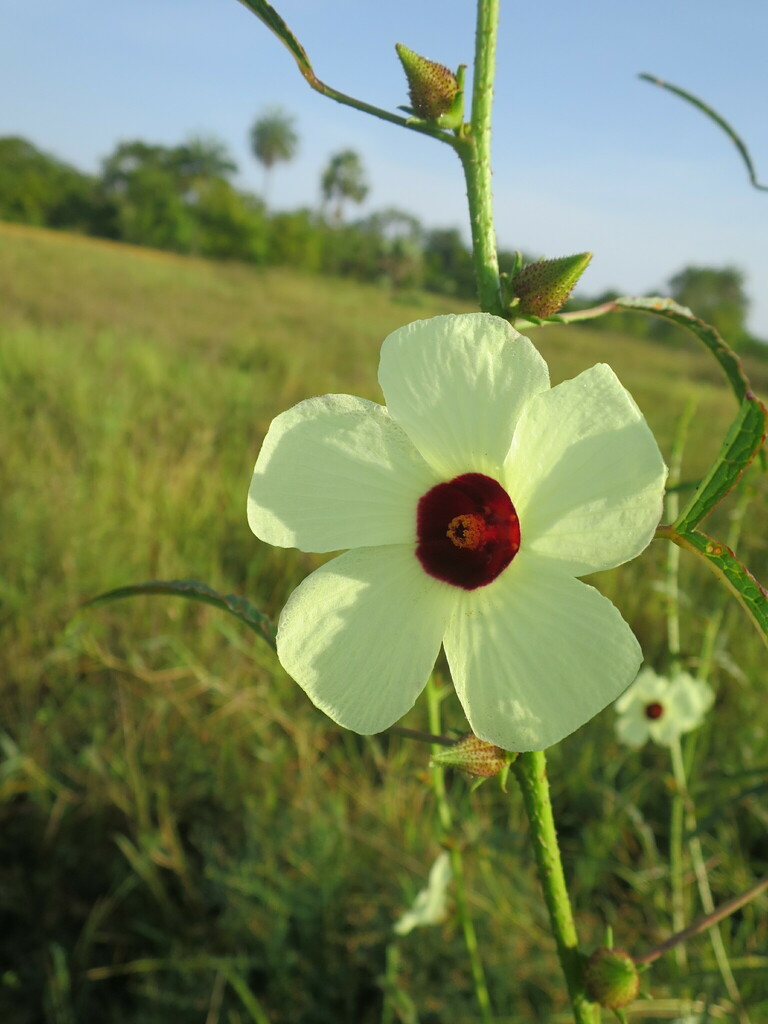
Bissap
- Origin
- Africa
- Part used
- See detailed notebook
- Tradition
- Traditional ethnobotany
In West Africa and the Sahel, the fleshy calyces of bissap have for generations colored the refreshing drinks served during great heat and celebrations. This red hibiscus, an ornamental cousin of our garden varieties, was also carried by trade routes as far as the Caribbean and Egypt, where it is called karkade. The ancients saw in it as much a drink of conviviality as an everyday remedy.
Traditional uses
A traditional refreshing infusion
Bissap is traditionally consumed as a cold or hot infusion to quench thirst during great heat, often sweetened and flavored with mint or ginger.
Digestive support after meals
In certain West African traditions, an infusion of calyces is taken after the meal to promote calm digestion.
A traditional use for blood pressure
Bissap has long been reputed in several African and Mediterranean pharmacopeia to help with blood pressure balance, a use now studied by modern research but which remains, in this context, a traditional observation.
A drink for convalescents
Traditionally offered to tired or feverish people, bissap infusion was considered a comforting, slightly tart drink promoting rest.
What to know before use
Due to potential effects on blood pressure, the advice of a health professional is recommended in cases of antihypertensive treatment or already low blood pressure. As a precaution, regular and concentrated use is not recommended for pregnant or breastfeeding women, for lack of sufficient data. Excessive and prolonged consumption should be avoided; favor moderate and occasional consumption. If undergoing medication treatment (particularly for blood pressure or diabetes), seek advice before regular use.
The detailed notebook
- Prepared as a paste or decoction
- Traditional duration of use
- Known contraindications
- Related species and their uses
Where to find it
Partner herbalists — available with the detailed notebook.
Sources
PFAF