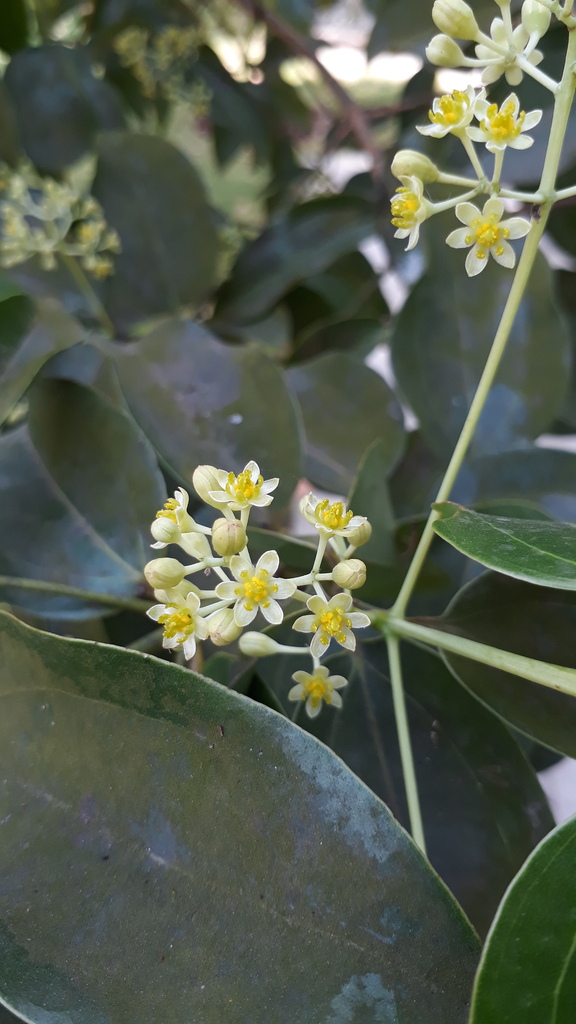
Ceylon Cinnamon
- Origin
- Asia
- Part used
- Bark
- Tradition
- Traditional ethnobotany
Since antiquity, the fragrant bark of the Ceylon cinnamon tree traveled the spice routes, precious enough to sometimes be traded for its weight in gold. Traditional herbalists of South Asia and then Europe used it both to flavor dishes and to soothe stomach troubles. It remains today one of the most widely used spices in folk traditions around the world.
Traditional uses
Support for sluggish digestion
Traditionally infused after meals, cinnamon bark was reputed to promote comfortable digestion and soothe bloating.
A feeling of warmth and vigor
In folk uses, cinnamon was consumed in winter for its perceived warming effect and to support general vitality.
Winter comfort
Combined with honey and lemon, it traditionally accompanied herbal teas taken during seasonal colds.
Traditional use around blood sugar
Some more recent folk traditions report a use of cinnamon to help with blood sugar balance, though this does not constitute a validated medical claim.
What to know before use
Avoid during pregnancy, breastfeeding, or in young children without the advice of a health professional. Prolonged or high-dose use is not recommended due to the naturally present coumarin, which can affect the liver; prefer Ceylon cinnamon over Chinese cinnamon, which is richer in coumarin. Not recommended in cases of anticoagulant treatment or liver disorders, due to possible interactions. In case of doubt, ongoing treatment, or chronic illness, consult a health professional before any regular use.
The detailed notebook
- Prepared as a paste or decoction
- Traditional duration of use
- Known contraindications
- Related species and their uses
Where to find it
Partner herbalists — available with the detailed notebook.
Sources
PFAF, PubMed, Wikipedia