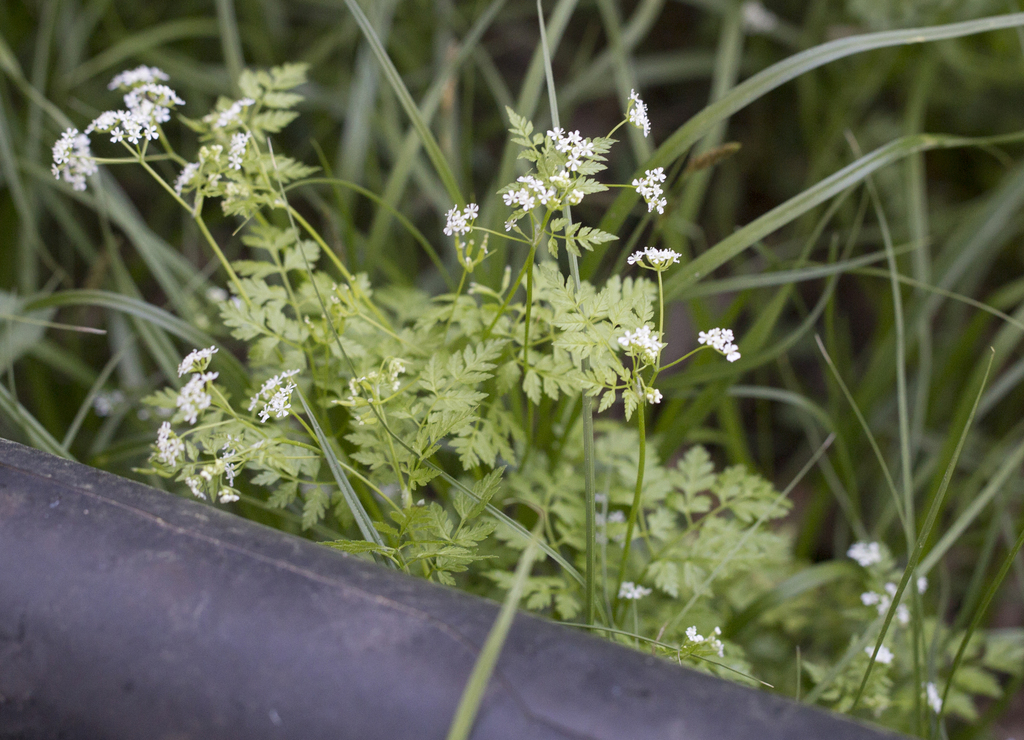
Common chervil
- Origin
- Europe
- Part used
- See detailed notebook
- Tradition
- Traditional ethnobotany
In Europe's kitchen gardens, common chervil has, since antiquity, accompanied both the table and the medicine cabinet of old. A delicate herb with a scent reminiscent of anise, it was long considered a spring ‘depurative’ plant, fitting for the renewal of fine days. Herbalists of old readily recommended it as a light cure at winter's end.
Traditional uses
Digestive support
Fresh chervil was traditionally eaten at the end of a meal, or brewed as a light tea, to promote comfortable digestion and ease bloating.
A seasonal depurative cure
Eaten fresh and raw in salads or soups, chervil accompanied spring depurative cures, alongside other young garden shoots.
Soothing skin compresses
Used externally, a chervil decoction as a compress was traditionally used to soothe minor superficial skin irritations.
Support for natural drainage
Chervil was sometimes included in so-called spring 'draining' teas, reputed to promote the body's natural elimination.
Before you use it
Do not confuse common chervil with toxic umbellifers (fool's parsley, poison hemlock, hemlock water dropwort) which closely resemble it: wild foraging without certainty of identification is strongly discouraged. Favor chervil grown in the garden or bought from a herbalist or grocer, whose botanical identity is guaranteed. As with any plant in the carrot family, seek the advice of a healthcare professional in case of pregnancy, breastfeeding, or ongoing medication. Moderate culinary use, as a seasoning herb, poses no particular risk for most healthy adults.
The detailed notebook
- Prepared as a paste or decoction
- Traditional duration of use
- Known contraindications
- Related species and their uses
Where to find it
Partner herbalists — available with the detailed notebook.
Sources
PFAF