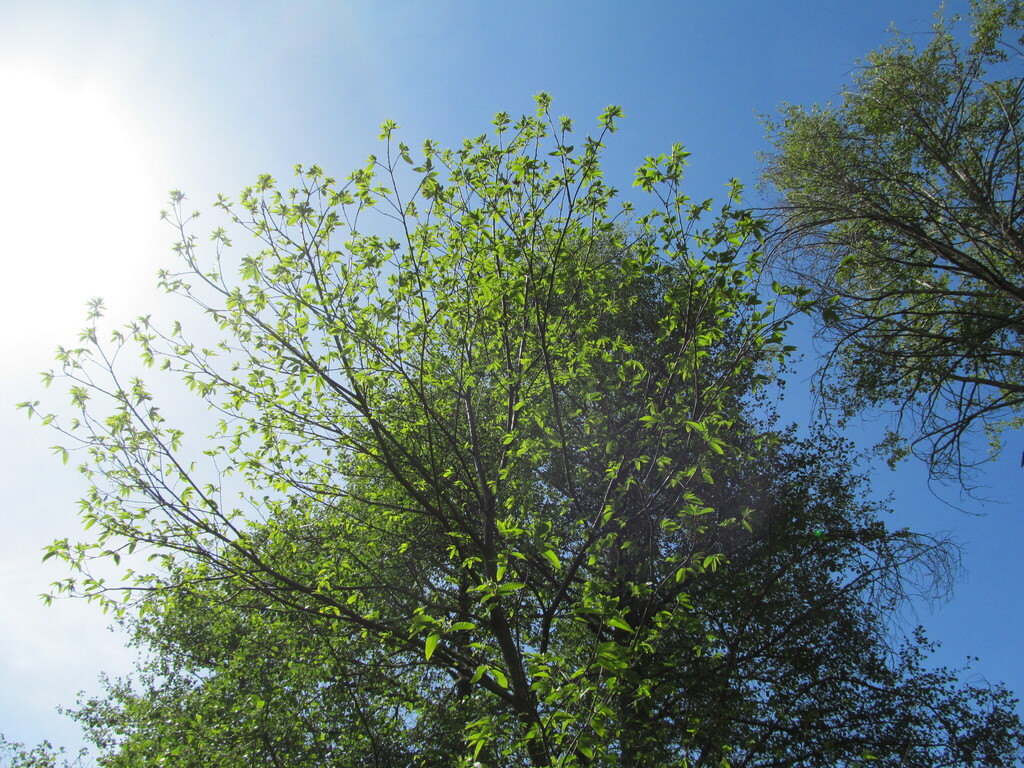
sweet chestnut
- Origin
- Europe
- Part used
- See detailed notebook
- Tradition
- Traditional ethnobotany
A tall tree of forests and siliceous soils, the sweet chestnut has long fed the European countryside, both through its fruit and its leaves used as a tea. Old-time herbalists saw in it an ally for the weary body and the irritated throat, passed down from generation to generation in the countryside of the Limousin, the Cévennes, or Corsica.
Traditional uses
Cough relief
Chestnut leaf was traditionally brewed as a tea to help with dry, irritating coughs, particularly in the evening.
Comfort for heavy legs
Rich in tannins, the leaf was used traditionally to support venous comfort and ease the feeling of tired legs.
Light digestive support
A light decoction of the leaves was sometimes drunk after heavy meals for its traditionally astringent and soothing effect on the digestive tract.
Used as a gargle and in baths
As a gargle, the leaf infusion was traditionally used to refresh an irritated throat and mouth.
Before you use it
The tannins present in quantity can irritate an already sensitive stomach if the infusion is too concentrated or taken repeatedly on an empty stomach. Not recommended for prolonged use without advice, particularly during pregnancy or breastfeeding, simply as a precaution in the absence of sufficient data. Do not confuse the leaves or fruit with those of the horse chestnut (Aesculus hippocastanum), which is inedible and used differently. If taking medication or suffering from chronic digestive disorders, seek the advice of a healthcare professional before regular use.
The detailed notebook
- Prepared as a paste or decoction
- Traditional duration of use
- Known contraindications
- Related species and their uses
Where to find it
Partner herbalists — available with the detailed notebook.
Sources
PFAF