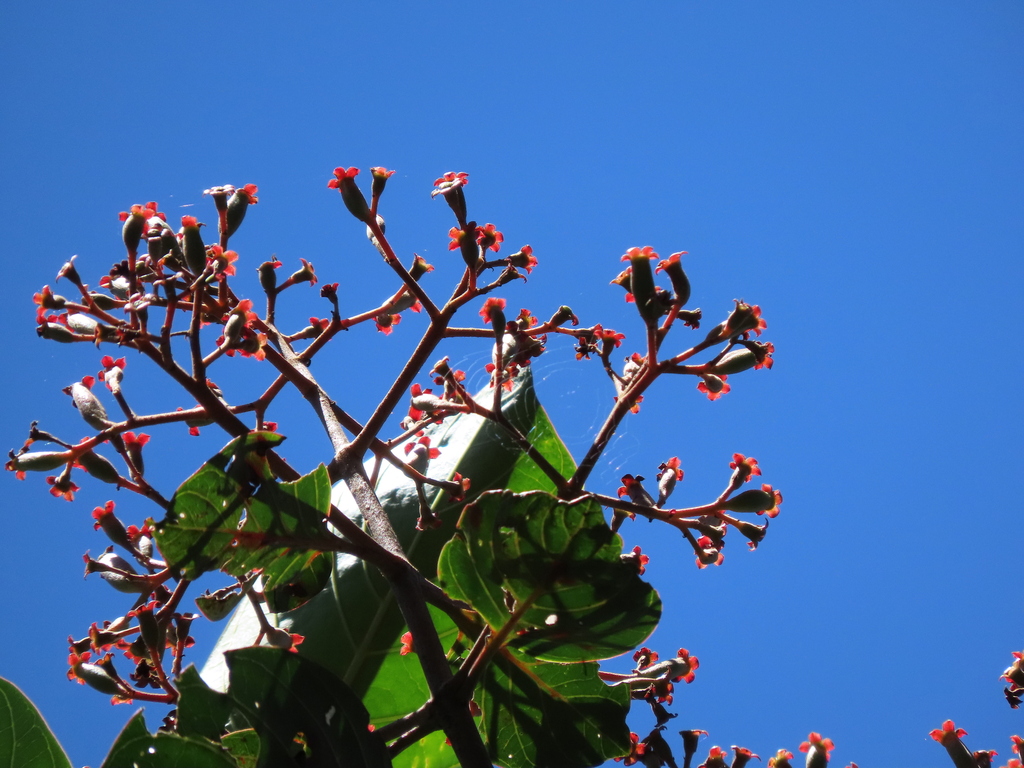
Cinchona
- Origin
- South America
- Part used
- Leaves, Bark
- Tradition
- Traditional ethnobotany
Native to the Andean slopes, cinchona (quinquina) was revealed to Europeans by the peoples of the Peruvian and Bolivian highlands, who were already using its bitter bark long before the colonists arrived. From the seventeenth century onward, this bark became one of the most sought-after remedies of the Old World, earning it the nickname “Jesuits' powder.” Its very name, it is said, honors the Countess of Chinchón, who was cured by its use.
Traditional uses
A traditional remedy against fevers
Cinchona bark was historically used in South America and then in Europe to fight intermittent fevers, notably those attributed to malaria.
A bitter digestive tonic
Owing to its strong bitterness, the bark was included in aperitif and digestive preparations meant to stimulate appetite.
A traditional fortifier
Andean traditional healers and nineteenth-century European herbalists attributed tonic and restorative virtues to the bark, particularly during convalescence.
Traditional use for cramps
Some folk traditions mention the use of cinchona to relieve muscle cramps, a use that is now closely regulated because of the quinine it contains.
What to know before use
A plant rich in active alkaloids (including quinine): never self-administer a cinchona-based preparation without the advice of a health professional. Contraindicated during pregnancy and breastfeeding, as well as in young children. Possible interactions with many medications (anticoagulants, heart treatments): seek the advice of a doctor or pharmacist before any use. An overdose can cause serious disorders (cinchonism: ringing in the ears, visual disturbances, heart rhythm disorders).
The detailed notebook
- Prepared as a paste or decoction
- Traditional duration of use
- Known contraindications
- Related species and their uses
Where to find it
Partner herbalists — available with the detailed notebook.
Sources
PFAF, Wikipedia