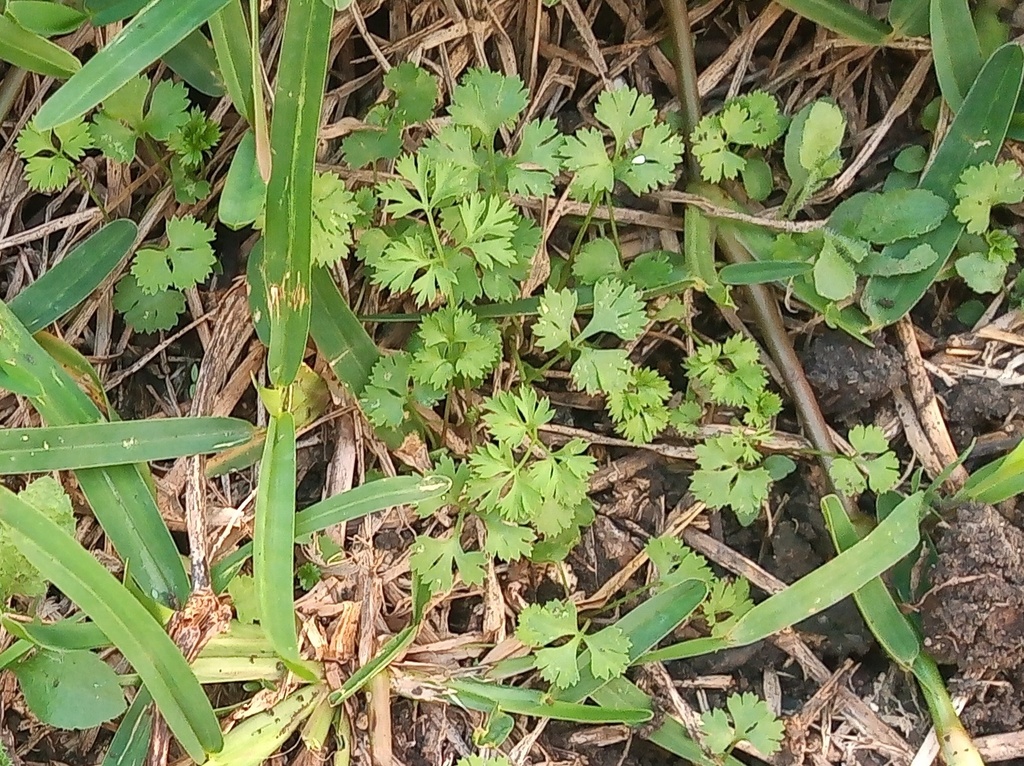
Coriander
- Origin
- Middle East
- Part used
- Leaves
- Tradition
- Traditional ethnobotany
Cultivated for millennia from the Mediterranean basin to Mesopotamia, coriander already accompanied the tables and remedies of the ancient Egyptians, who placed its seeds in their tombs. Its fresh, vivid, fragrant leaves have long served as much to season food as to soothe everyday ailments.
Traditional uses
Supporting digestion
Fresh coriander is traditionally eaten with meals to encourage calm digestion, especially after a heavy dish.
Everyday freshness and lightness
Its leaves, infused, were used in certain folk traditions for their refreshing effect and to accompany moments of rest.
Traditional skin care
As a poultice or lotion, the crushed leaves were applied locally in certain traditions to soothe minor skin irritations.
Fresh breath
Chewing a few fresh leaves is an old practice for freshening the breath after meals, notably in the cuisines of the Middle East.
Before you use it
People allergic to plants of the Apiaceae family (carrot, celery, fennel, dill) should exercise caution. Excessive consumption of fresh leaves may cause digestive trouble in sensitive individuals. As with any plant, it is advisable to seek the advice of a health professional during pregnancy, breastfeeding, or ongoing medication.
The detailed notebook
- Prepared as a paste or decoction
- Traditional duration of use
- Known contraindications
- Related species and their uses
Where to find it
Partner herbalists — available with the detailed notebook.
Sources
PFAF, PubMed