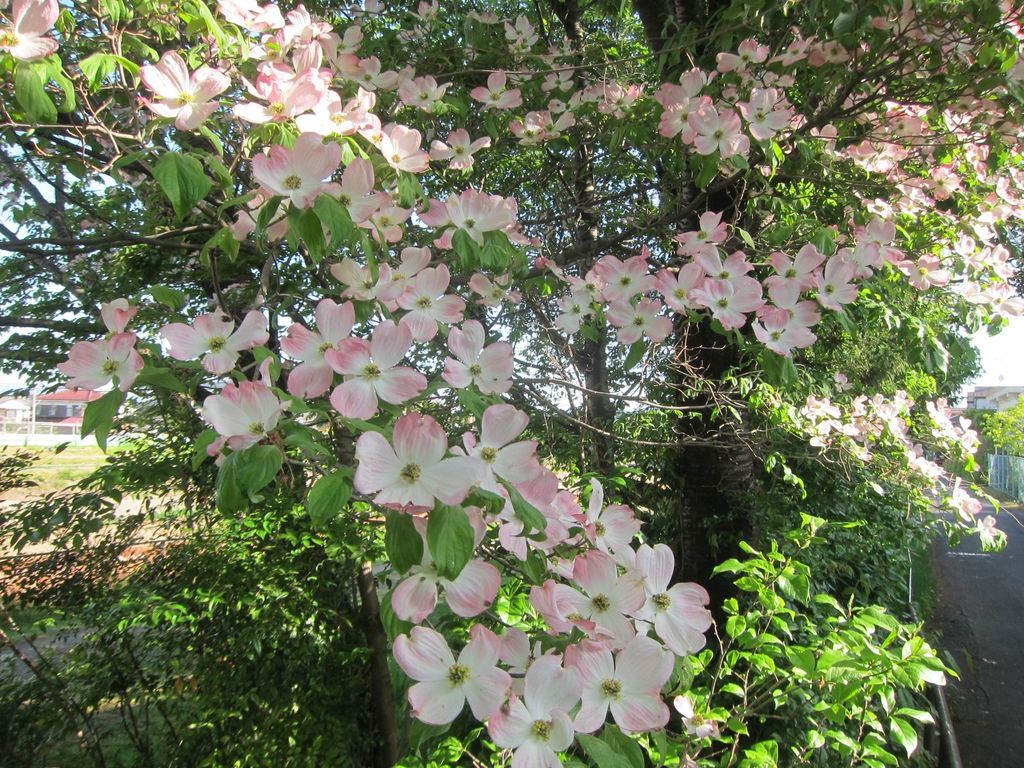
Flowering dogwood
- Origin
- North America
- Part used
- Leaves, Flowers, Bark
- Tradition
- Traditional ethnobotany
In the open forests of North America, flowering dogwood announced spring with its broad white bracts, long before settlers saw in it a substitute for cinchona. Native Americans, and later the practitioners of Appalachian folk medicine, made great use of its bitter bark, reputed as a fever remedy and tonic.
Traditional uses
Before you use it
The bark contains compounds whose richness and effects vary greatly depending on the preparation; prolonged or poorly dosed internal use is not recommended without the advice of a health professional. To be avoided in pregnant or breastfeeding women, as well as young children, for lack of sufficient safety data. Do not combine with medication (particularly fever remedies or anticoagulants) without medical advice, because of poorly documented possible interactions. Reserved for occasional traditional use; any persistent fever or inflammatory state should be evaluated by a doctor.
The detailed notebook
- Prepared as a paste or decoction
- Traditional duration of use
- Known contraindications
- Related species and their uses
Where to find it
Partner herbalists — available with the detailed notebook.
Sources
Wikipedia