Epazote
- Origin
- North America
- Part used
- Leaves
- Tradition
- Traditional ethnobotany
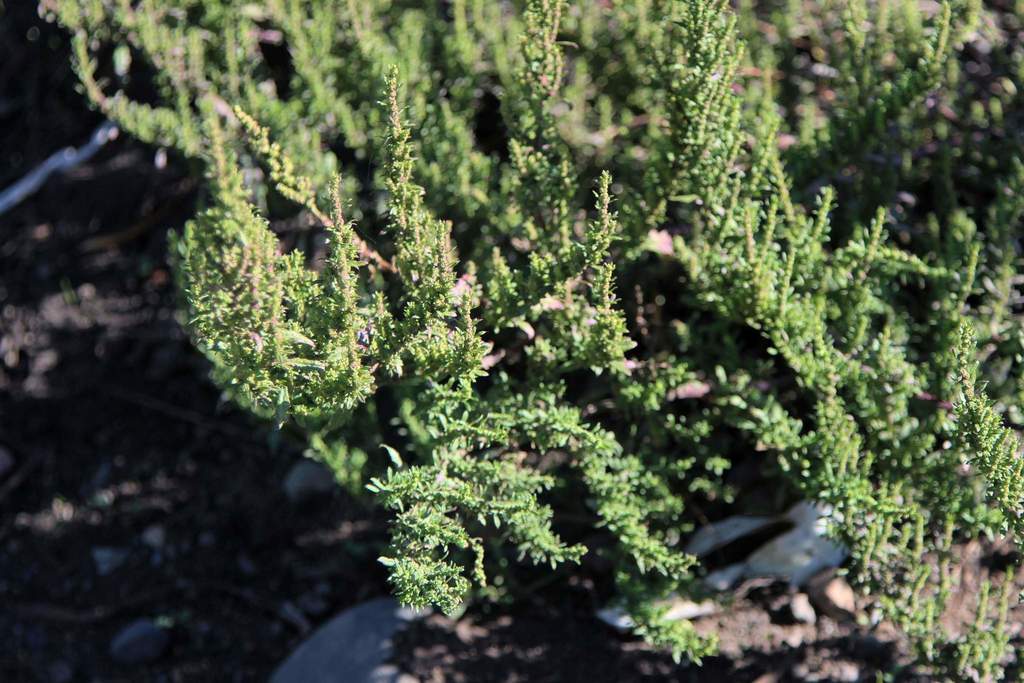
Epazote, an aromatic herb with camphorous, resinous notes, has accompanied the kitchens and folk remedies of Mexico and Central America for centuries. Traditional Nahua healers used it both to flavor legume dishes and for its attributed virtues on digestive and parasitic troubles. Its very name, derived from Nahuatl, testifies to this ancient place in Mesoamerican folk pharmacopoeia.
Traditional uses
Traditional digestive aid
The leaves were traditionally infused in small amounts to help digest heavy dishes, particularly preparations made with dried beans, reputed to be hard to digest.
An ancestral vermifuge use
Epazote is among the plants historically used in Central America against intestinal worms, due to its richness in ascaridole, a powerful aromatic compound.
A seasoning herb of the Americas
Used fresh or dried to flavor black beans, tamales, or certain soups, it is also traditionally considered to make these fiber-rich dishes easier to tolerate.
A traditional use for congestion
In certain folk traditions, a light infusion of leaves was used for mild respiratory congestion, though this use is less documented than the previous ones.
Before you use it
The plant contains ascaridole, a compound that can be toxic at high doses to the liver, kidneys, and nervous system: prolonged or concentrated internal use is to be avoided without a professional's advice. Strongly discouraged during pregnancy and breastfeeding due to its traditional use as an abortifacient and its potential toxicity. Contraindicated in young children. Never use pure epazote essential oil internally; it is considered dangerous even at low doses.
The detailed notebook
- Prepared as a paste or decoction
- Traditional duration of use
- Known contraindications
- Related species and their uses
Where to find it
Partner herbalists — available with the detailed notebook.
Sources
PFAF, Wikipedia