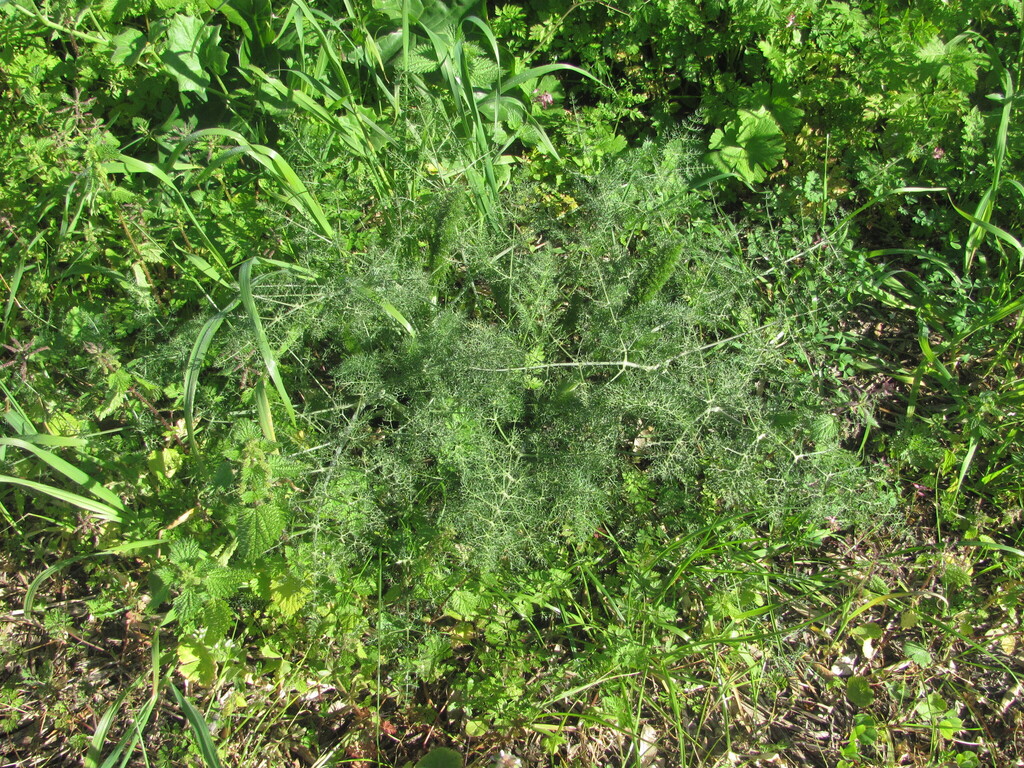
Fennel
- Origin
- Europe
- Part used
- See detailed notebook
- Tradition
- Traditional ethnobotany
Cultivated since antiquity on the shores of the Mediterranean, fennel already featured on Greek and Roman tables, prized both for its anise flavor and its digestive virtues. Herbalists of the past readily recommended it after hearty meals, and mothers traditionally used it to soothe infants' little stomach aches.
Traditional uses
Before you use it
Fennel seeds contain anethole; prolonged or high-dose use should remain moderate, particularly for pregnant or breastfeeding women, for whom a healthcare professional's advice is recommended. Avoid in people with a history of hormone-dependent conditions, due to traditionally reported estrogen-like properties. If taking medication (anticoagulants in particular), consult a pharmacist or doctor before any regular cure. For infants, prepare the infusion only at low concentration and after a healthcare professional's advice.
The detailed notebook
- Prepared as a paste or decoction
- Traditional duration of use
- Known contraindications
- Related species and their uses
Where to find it
Partner herbalists — available with the detailed notebook.
Sources
PFAF