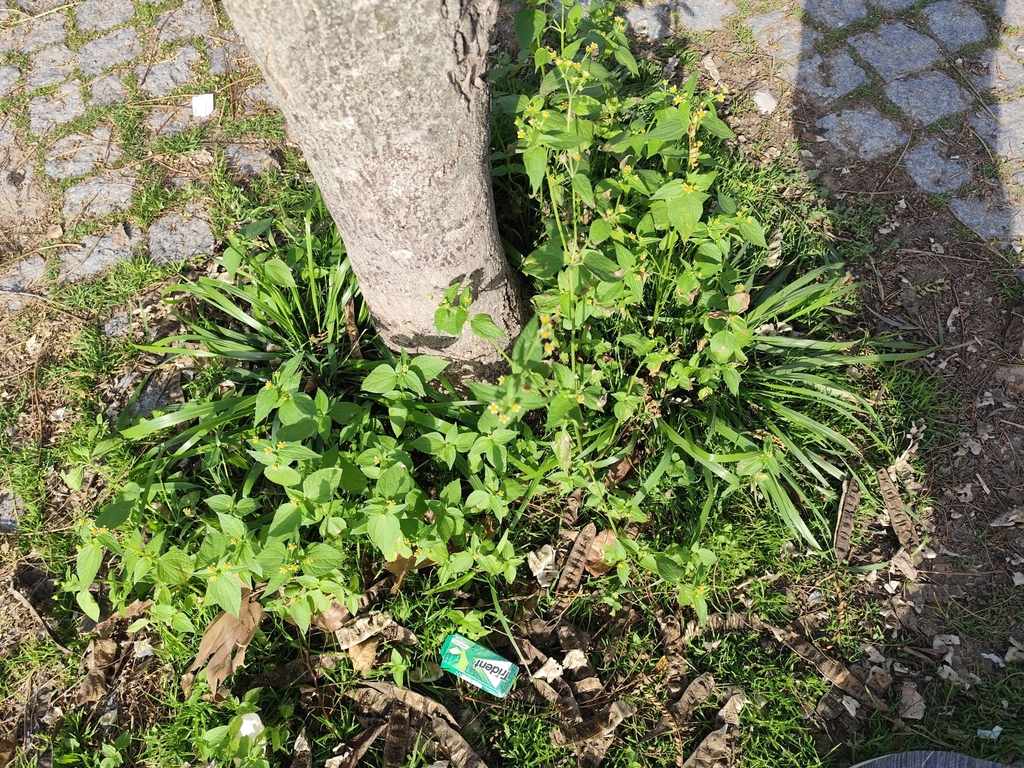
Galinsoga parviflora
- Origin
- Africa
- Part used
- See detailed notebook
- Tradition
- Traditional ethnobotany
A modest little herb of gardens and pathways, Galinsoga (Galinsoga parviflora) was long considered a simple "weed" before its place in the kitchens and folk pharmacopeias of various regions of Africa and South America, where it originates before spreading widely, was rediscovered. Discreet and abundant, it accompanied peoples as a silent ally, both nourishing and healing.
Traditional uses
Traditional care of minor wounds
The fresh plant, crushed into a poultice, was traditionally applied to cuts, scratches, and minor wounds to promote healing.
Food use and light tonic
Eaten as a cooked green vegetable in several African and Andean culinary traditions, Galinsoga was also valued for its general tonic properties, somewhat like wild spinach.
Easing superficial inflammation
Fresh plant juice or a leaf poultice was sometimes used to calm skin irritation and mild inflammation.
Traditional use against mild fevers
In some regions, an infusion of the aerial parts was traditionally drunk to help with feverish states and diffuse pain.
What to know before use
A traditional use poorly documented scientifically: favor caution and moderate use. Avoid picking along roadsides or in treated areas, as the plant can absorb pollutants from the soil. Seek the advice of a health professional before any therapeutic use, particularly for pregnant or breastfeeding women and young children. Properly identify the plant before harvesting, to avoid any confusion with other species of the same family.
The detailed notebook
- Prepared as a paste or decoction
- Traditional duration of use
- Known contraindications
- Related species and their uses
Where to find it
Partner herbalists — available with the detailed notebook.
Sources
Wikipedia