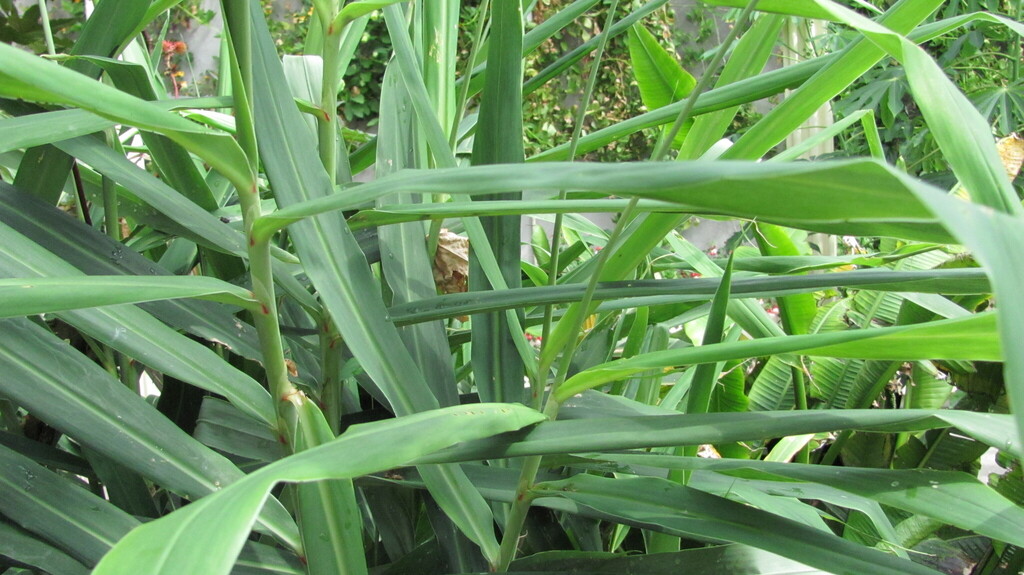
Ginger
- Origin
- Asia
- Part used
- See detailed notebook
- Tradition
- Traditional ethnobotany
A knotty, fiery rhizome from the warm lands of Asia, ginger has accompanied traditional kitchens and pharmacopeia for millennia. Merchant caravans carried it to the West, where it was long counted among the most prized spices. In herbalists' notebooks, it is found associated with warmth, digestion, and travel.
Traditional uses
Digestive support
Traditionally chewed or infused after meals, ginger was reputed to soothe heaviness and promote calm digestion.
Comfort during travel
Asian sailors and travelers chewed a piece of fresh rhizome to cross rough seas more comfortably.
A hot drink for cold days
As a decoction with honey and lemon, it traditionally accompanied cold winter days and sore throats.
Friction rubs and local warmth
As a poultice or infused oil, the rhizome was applied locally for its warming effect on tired joints.
What to know before use
Not recommended in cases of gallstones or liver trouble without medical advice. Use with caution in cases of anticoagulant treatment, due to possible interactions. Pregnant women should seek the advice of a health professional before any regular use, particularly in late pregnancy. Avoid concentrated doses (extracts, strong tinctures) in children without professional supervision.
The detailed notebook
- Prepared as a paste or decoction
- Traditional duration of use
- Known contraindications
- Related species and their uses
Where to find it
Partner herbalists — available with the detailed notebook.
Sources
PFAF