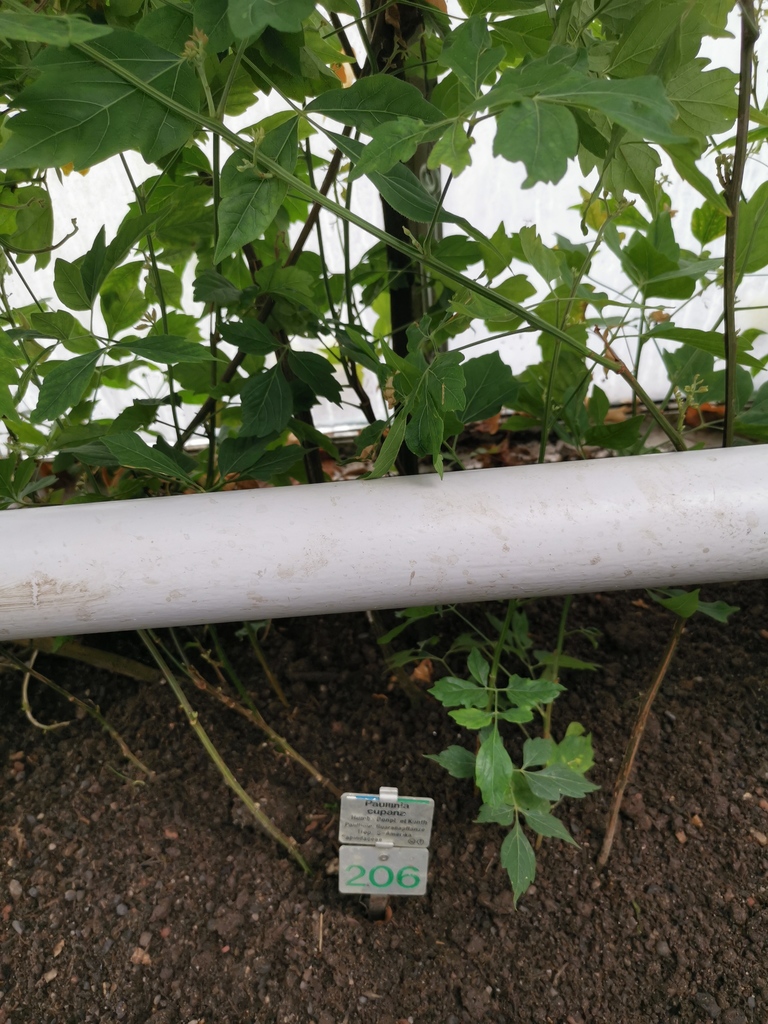
Guarana
- Origin
- South America
- Part used
- See detailed notebook
- Tradition
- Traditional ethnobotany
Native to the Amazon basin, guarana was revered by the Tupi-Guarani peoples, who prepared an energizing paste from its roasted seeds, used during long hunts and ceremonies. Introduced to Europe in the nineteenth century, it quickly became one of the most celebrated tonics of the South American continent, prized for its natural caffeine content.
Traditional uses
Support for physical energy
Traditionally consumed by Amazonian peoples to fight fatigue and support prolonged physical effort.
Boosting alertness
Used customarily to promote mental clarity and concentration during activities requiring sustained attention.
A light digestive aid
Some Brazilian folk traditions credited it with a soothing action on slow digestion, consumed in small amounts after meals.
Endurance support
Historically chewed or infused by hunters and travelers to fend off fatigue during long forest journeys.
What to know before use
Not recommended for pregnant or breastfeeding women owing to its caffeine content. To be avoided in children, and in people with heart conditions, high blood pressure, or anxiety. Do not combine with other significant sources of caffeine or with certain medications (stimulants, anticoagulants) without medical advice. Avoid any intake late in the day owing to the risk of sleep disturbances.
The detailed notebook
- Prepared as a paste or decoction
- Traditional duration of use
- Known contraindications
- Related species and their uses
Where to find it
Partner herbalists — available with the detailed notebook.
Sources
PFAF