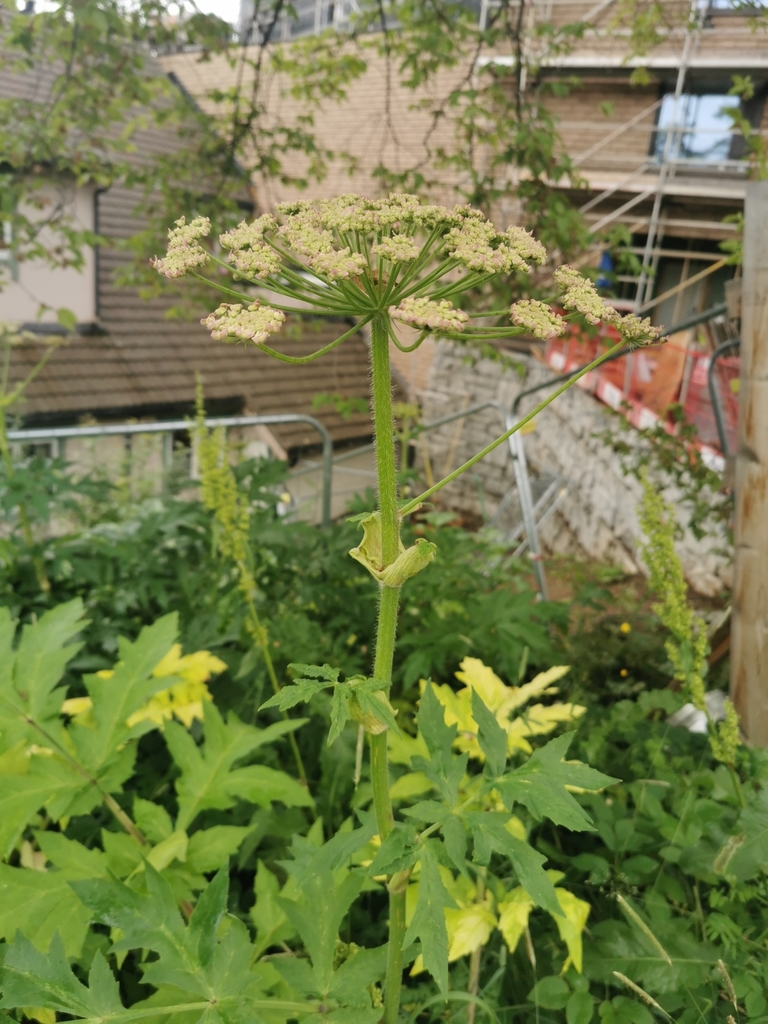
Heracleum persicum
- Origin
- Asia
- Part used
- Seeds / fruit
- Tradition
- Traditional ethnobotany
Known in Persia as "golpar," the fruit of Heracleum persicum has for centuries flavored the kitchens and folk remedies of Iran and the Caucasus. Ancient herbalists of these regions considered it a warm, aromatic seed, suited to warming the body and aiding digestion. Its traditional use lies as much at the table as in the family medicine cabinet.
Traditional uses
Digestive support
Golpar was traditionally chewed or infused after meals to relieve stomach heaviness and promote the release of gas.
Rubs against joint pain
In Persia, the fruit powder was sometimes mixed with an oil to rub onto painful joints, following the logic of a "warming" plant.
Relief from colds
An infusion of the dried fruits was traditionally drunk during colds and chills, to warm and clear the respiratory tract.
Circulation stimulation
Considered a mild circulatory tonic in Persian folk medicine, golpar was associated with a welcome feeling of warmth in winter.
What to know before use
The genus Heracleum contains photosensitizing furocoumarins: the sap and contact with the fresh plant can cause severe burns or skin reactions in sunlight (phytophotodermatitis). Avoid any skin contact with the fresh plant, sap, or stems, especially before sun exposure. Not recommended for pregnant or breastfeeding women, or young children, in the absence of sufficient safety data. Seek the advice of a health professional before any prolonged internal use, particularly if undergoing medication treatment.
The detailed notebook
- Prepared as a paste or decoction
- Traditional duration of use
- Known contraindications
- Related species and their uses
Where to find it
Partner herbalists — available with the detailed notebook.
Sources
PubMed, Wikipedia