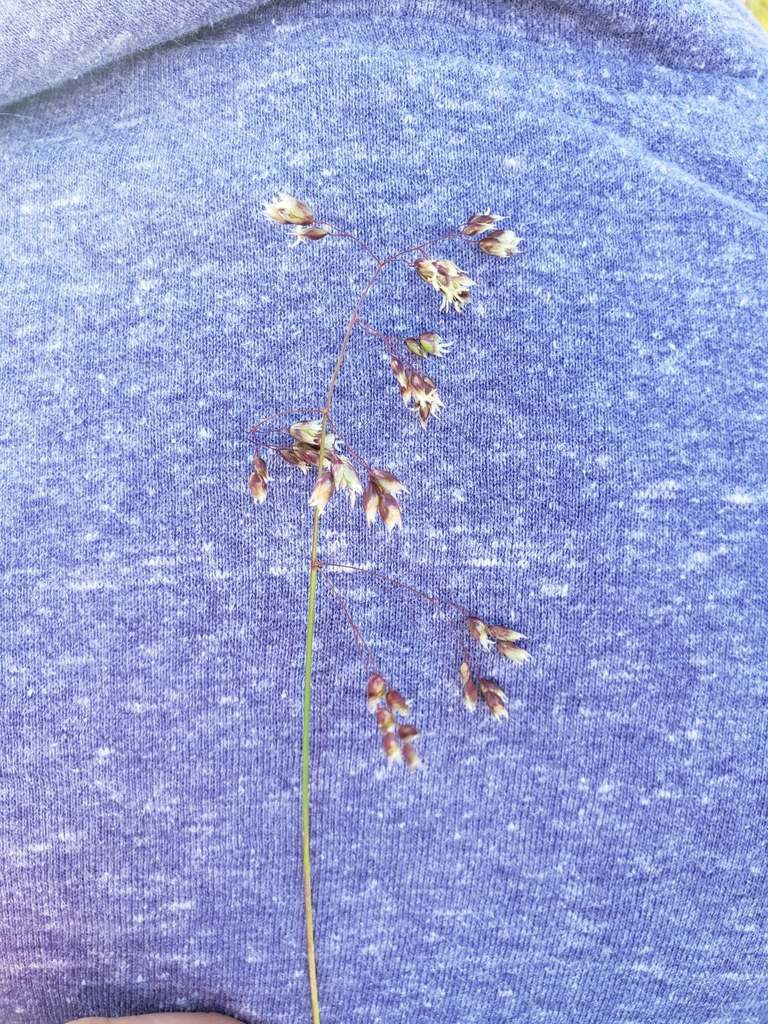
Hierochloe odorata
- Origin
- North America
- Part used
- See detailed notebook
- Tradition
- Traditional ethnobotany
Called "sweetgrass" or sacred grass by the Indigenous nations of North America, Hierochloa odorata has been braided for purification ceremonies since time immemorial. Its vanilla-like scent, which intensifies as it dries, has made it a plant of prayer as much as an everyday companion in Amerindian and Scandinavian traditions.
Traditional uses
Calming through fumigation
The dried braids were burned as a fumigation during ceremonies to calm the spirit and purify a place or a person, a gesture traditionally associated with serenity.
A sacred plant of the four medicines
Considered by many Indigenous peoples to be one of the four sacred plants, it accompanied prayers, drums, and gatherings as an offering.
A traditional after-meal infusion
In Northern and Eastern Europe, a light infusion of sweetgrass was occasionally drunk as a digestive, aromatic beverage, in the manner of an end-of-meal tea.
Scenting fabrics and spaces
Braided strands were slipped into linen closets or kept in bouquets to give fabrics and dwellings a lasting fragrance.
Before you use it
This plant contains coumarin, a substance that can interact with anticoagulant treatments; the advice of a health professional is recommended before any regular internal use. Avoid prolonged or high-dose consumption, as coumarin can affect the liver in excess. Not recommended for internal use in pregnant or breastfeeding women, for lack of safety data. Fumigation should take place in a ventilated space, respecting the sacred character traditionally associated with this practice.
The detailed notebook
- Prepared as a paste or decoction
- Traditional duration of use
- Known contraindications
- Related species and their uses
Where to find it
Partner herbalists — available with the detailed notebook.
Sources
PFAF