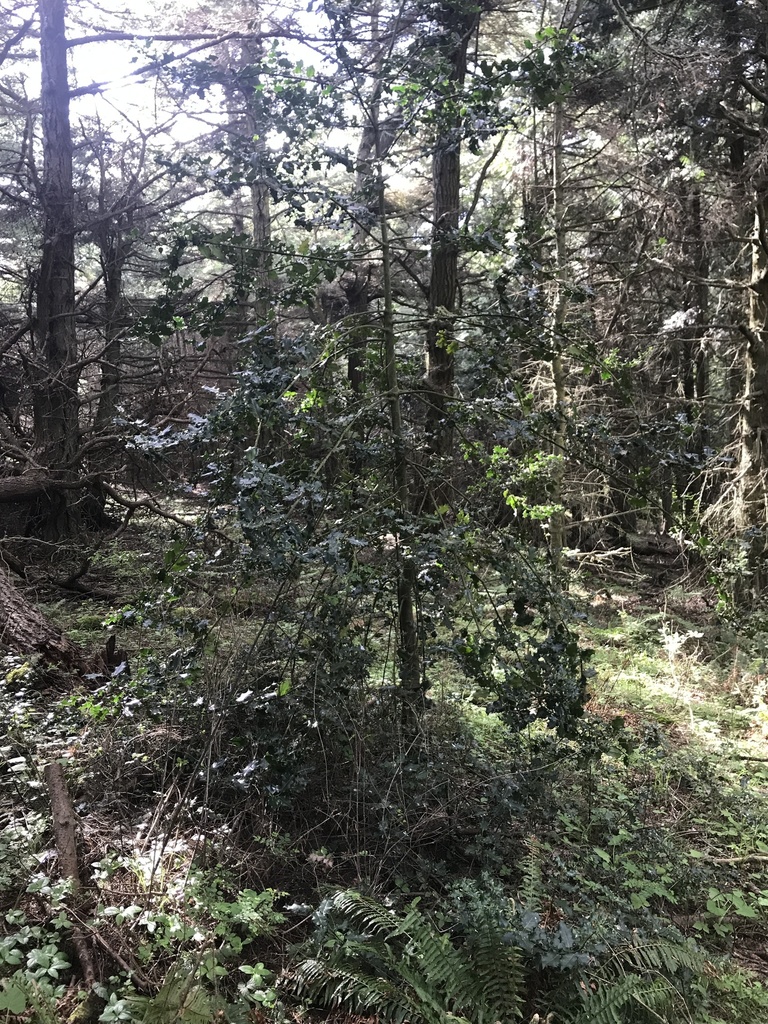
holly
- Origin
- Europe
- Part used
- Seeds/fruits
- Tradition
- Traditional ethnobotany
In the hedgerows and woodlands of Europe, holly (Ilex aquifolium) has long held a place apart, somewhere between a symbol of the winter solstice and a discreet country remedy. Its leathery leaves and bright red fruits, familiar from Christmas decorations, nonetheless have an older history in herbalist notebooks, where the tree was regarded with particular caution because of the toxicity of its berries.
Traditional uses
Fevers and joint pain
Holly leaves were traditionally infused in parts of Europe to accompany feverish episodes and rheumatic pain, in the manner of other bitter plants of the folk pharmacopoeia.
Bitter, cleansing use
Like many plants with bitter bark or leaves, holly was sometimes used in small amounts to stimulate the appetite and support digestion, in the manner of a traditional bitter tonic.
A remedy for livestock
In the countryside, crushed or chopped holly leaves could serve as supplementary winter fodder for livestock, and some folk uses credited them with tonic properties for weakened animals.
A plant of winter protection
Far more than a simple remedy, holly was planted near homes and used as decoration at the winter solstice, carrying a symbolism of protection against ill fortune passed down since antiquity and the Celtic world.
Before you use it
Holly berries are toxic and must never be eaten, especially by children, in whom even a few berries can cause severe digestive upset. Internal use of the leaves should remain exceptional and supervised by a health professional or qualified herbalist, given the lack of reliable documentation on safe doses. To be avoided in pregnant or breastfeeding women, as well as in people on medication, for lack of sufficient data on interactions. In case of accidental ingestion of berries, contact a poison control center or a doctor immediately.
The detailed notebook
- Prepared as a paste or decoction
- Traditional duration of use
- Known contraindications
- Related species and their uses
Where to find it
Partner herbalists — available with the detailed notebook.
Sources
PFAF, Wikipedia