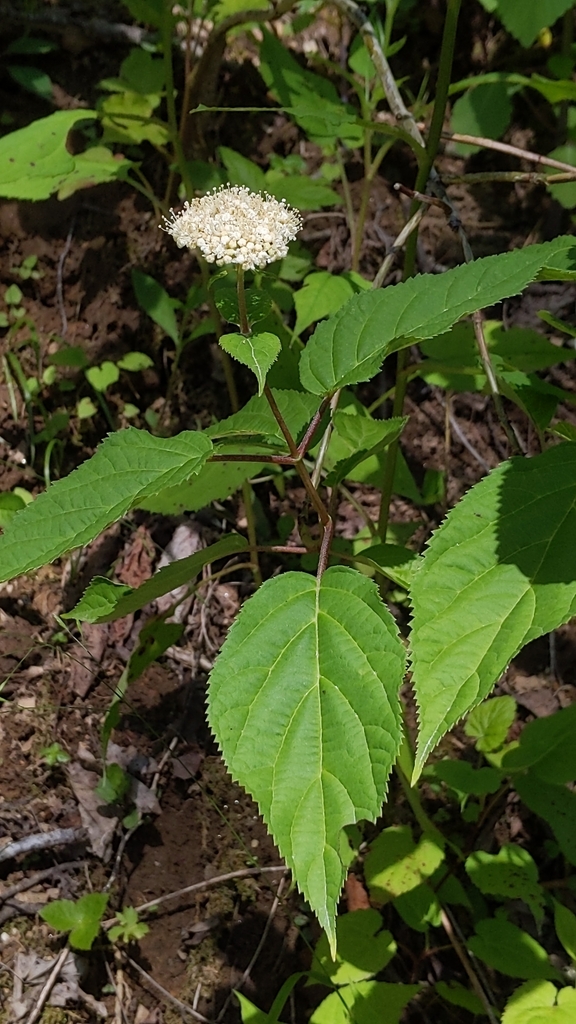
Hydrangea arborescens
- Origin
- North America
- Part used
- See detailed notebook
- Tradition
- Traditional ethnobotany
Appalachian herbalists knew this shrub with broad white flowers well, its root once appearing in North American folk pharmacopoeias. The Cherokee and other Indigenous peoples had made it a favored remedy for ailments of the urinary tract, a tradition later taken up by European settlers.
Traditional uses
Traditional support for the urinary tract
Hydrangea root was traditionally used to support urinary comfort and promote elimination, particularly in the presence of kidney or bladder stones according to Amerindian folk medicine.
An old joint comfort remedy
Certain herbalist traditions credited the root with virtues favorable to joint comfort, in a use similar to that of other depurative plants of the North American continent.
A traditional depurative plant
Used as a decoction, the root was considered a general depurative, thought to accompany spring cleanses in folk tradition.
An occasional use for digestive trouble
More marginally, the dried root was sometimes used to ease mild digestive disorders, always in a diluted preparation.
Before you use it
The fresh root contains cyanogenic glycosides and must never be consumed undried or improperly prepared. Use discouraged in pregnant or breastfeeding women, as well as in children, for lack of sufficient data. Overdose can cause dizziness, chest tightness, or digestive trouble; the advice of a qualified health professional is required before any use. Avoid combining with diuretic treatments or treatments for kidney conditions without medical supervision.
The detailed notebook
- Prepared as a paste or decoction
- Traditional duration of use
- Known contraindications
- Related species and their uses
Where to find it
Partner herbalists — available with the detailed notebook.
Sources
PFAF