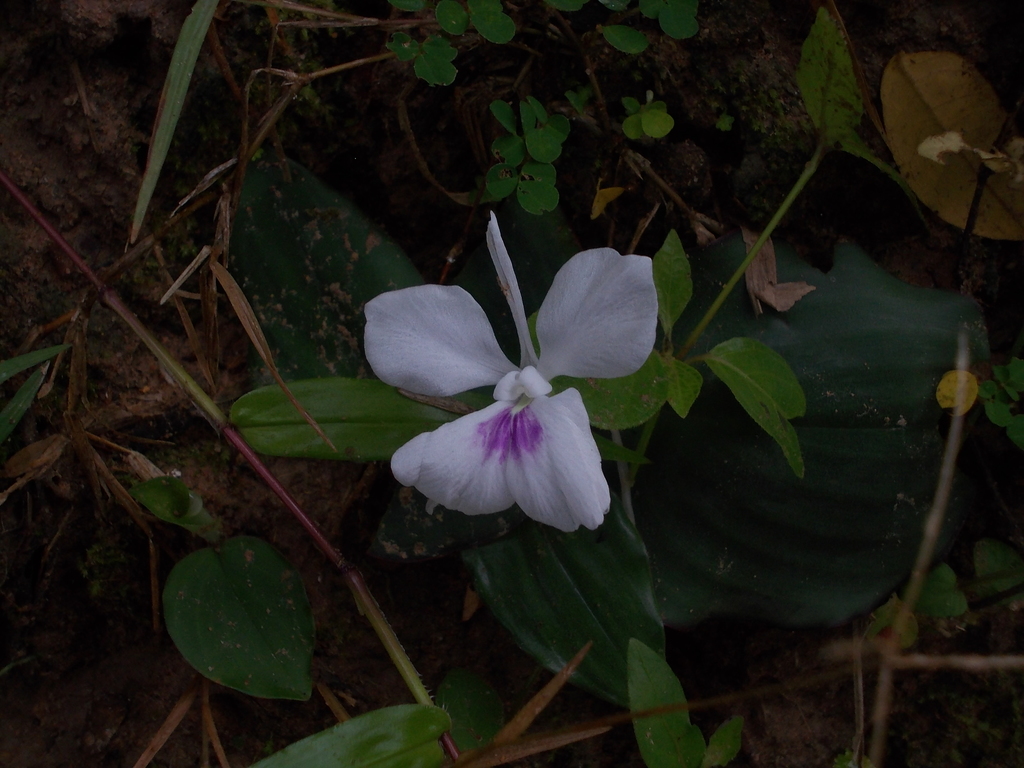
Kaempferia galanga
- Origin
- Asia
- Part used
- Leaves, Root
- Tradition
- Traditional ethnobotany
Known in the kitchens and pharmacopeia of Southeast Asia as kencur or aromatic ginger, this small rhizomatous plant with a camphor-like scent has for centuries held a discreet but steady place in the notebooks of traditional herbalists in Indonesia, Malaysia, and Thailand. Its fragrant root and its leaves have nourished culinary uses as much as folk remedies passed down from generation to generation.
Traditional uses
Digestive support
The root was traditionally chewed or infused to relieve bloating and heaviness after meals, in the folk uses of Southeast Asia.
Respiratory comfort
Rhizome-based preparations were used as an inhalation or rub to clear the respiratory tract during seasonal colds.
Soothing rubs
In Indonesia and Malaysia, a paste of fresh root was traditionally used as an external application to relieve muscle and joint tension after exertion.
A traditional cosmetic use
The leaves and root were included in traditional powders and masks intended for facial skin care in certain Javanese customs.
What to know before use
Not recommended for pregnant or breastfeeding women in the absence of sufficient safety data. Avoid prolonged or high-dose use without professional advice, as the plant is poorly documented toxicologically. Do not give to young children. Medical advice is recommended before any internal use, particularly if undergoing medication treatment.
The detailed notebook
- Prepared as a paste or decoction
- Traditional duration of use
- Known contraindications
- Related species and their uses
Where to find it
Partner herbalists — available with the detailed notebook.
Sources
Wikipedia