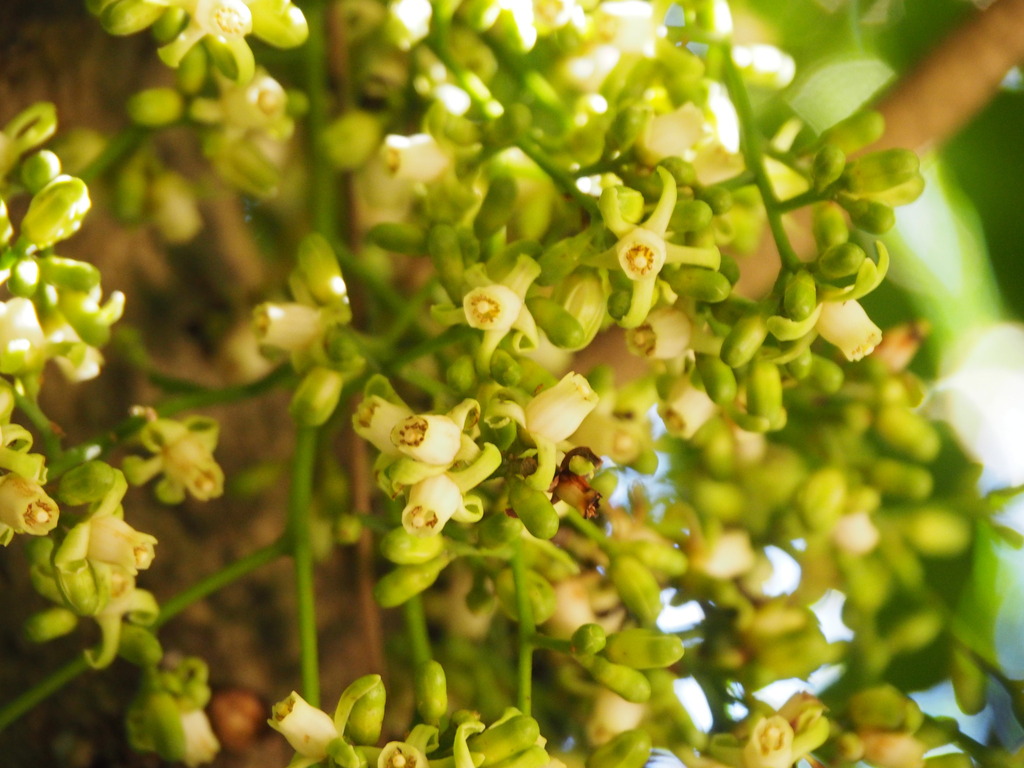
Kohekohe
- Origin
- Oceania
- Part used
- See detailed notebook
- Tradition
- Traditional ethnobotany
A majestic tree of New Zealand's rainforests, kohekohe (Dysoxylum spectabile) bears its flowers directly on the trunk, a peculiarity that struck early European observers. The Maori knew its bitter bark and leaves, long used within traditional pharmacopoeia (rongoa) for their tonic and purifying virtues.
Traditional uses
A bitter tonic for the stomach
The bark, reputed for its intense bitterness, was traditionally infused or chewed to stimulate digestion and soothe stomach aches.
Support during feverish states
A decoction of bark or leaves was used in traditional Maori practice to support the body during fevers and chills.
Washes and skin care
Preparations made from leaves or bark were used as traditional washes to cleanse the skin and soothe certain irritations.
A restorative after illness
Kohekohe was among the bitter plants taken in small amounts as a general fortifier, notably during convalescence.
Before you use it
A plant of marked bitterness whose chemical composition remains poorly studied scientifically: caution is warranted regarding the amounts consumed. Internal use is discouraged during pregnancy or breastfeeding, for lack of reliable safety data. Do not use in children without the advice of a qualified health professional. Consult an experienced herbalist or rongoa practitioner before any prolonged internal use.
The detailed notebook
- Prepared as a paste or decoction
- Traditional duration of use
- Known contraindications
- Related species and their uses
Where to find it
Partner herbalists — available with the detailed notebook.
Sources
PFAF