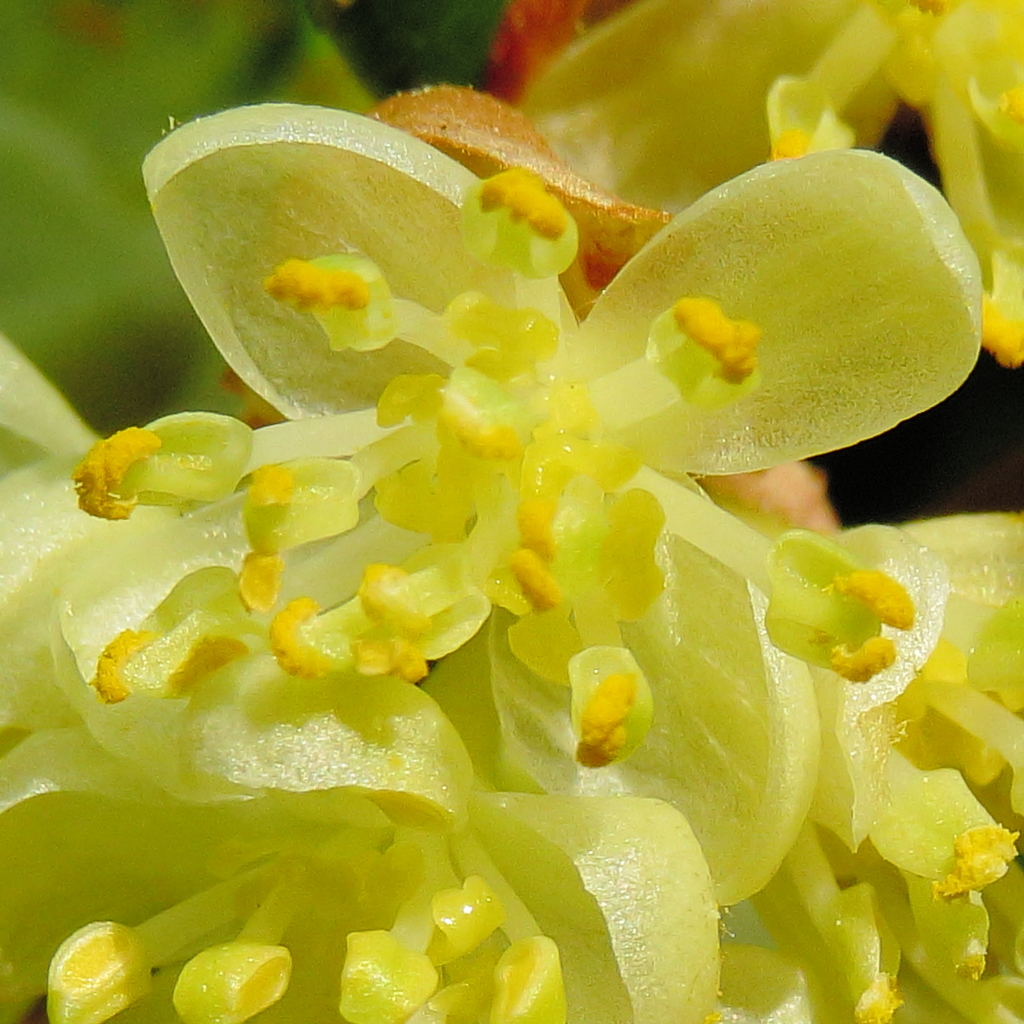
Laurus nobilis
- Origin
- Europe
- Part used
- Leaves, Seeds/fruits
- Tradition
- Traditional ethnobotany
Bay laurel has accompanied Mediterranean kitchens and pharmacopoeias since antiquity, its branches already crowning poets and victors. A tree sacred to the Greeks, associated with the god Apollo, it was also long planted near homes to ward off miasmas and scent linen. Its evergreen, aromatic leaves remain today a mainstay of both folk remedies and family tables.
Traditional uses
Support for digestion
Bay leaf was traditionally infused after heavy meals to promote calm digestion and settle a heavy stomach.
Comfort for the airways
The old herbalists recommended inhaling bay leaves in case of congestion, to clear the upper airways.
Rubs for muscle pain
Oil infused with bay berries was long used as a rub to soothe tired joints and muscles, in the rural traditions of the Mediterranean basin.
Ambient fragrance and linen protection
Dried leaves were slipped into wardrobes and grain stores, both for their fragrance and to keep insects and moths at bay.
Before you use it
Bay berries are more concentrated in active compounds than the leaves and should be used sparingly, preferably externally. Therapeutic use is discouraged for pregnant or breastfeeding women, for lack of sufficient data. Ordinary culinary use (a leaf in a simmered dish) is safe, but any prolonged medicinal use should remain occasional. If in doubt, particularly for children or alongside medical treatment, the advice of a health professional is recommended.
The detailed notebook
- Prepared as a paste or decoction
- Traditional duration of use
- Known contraindications
- Related species and their uses
Where to find it
Partner herbalists — available with the detailed notebook.
Sources
Wikipedia