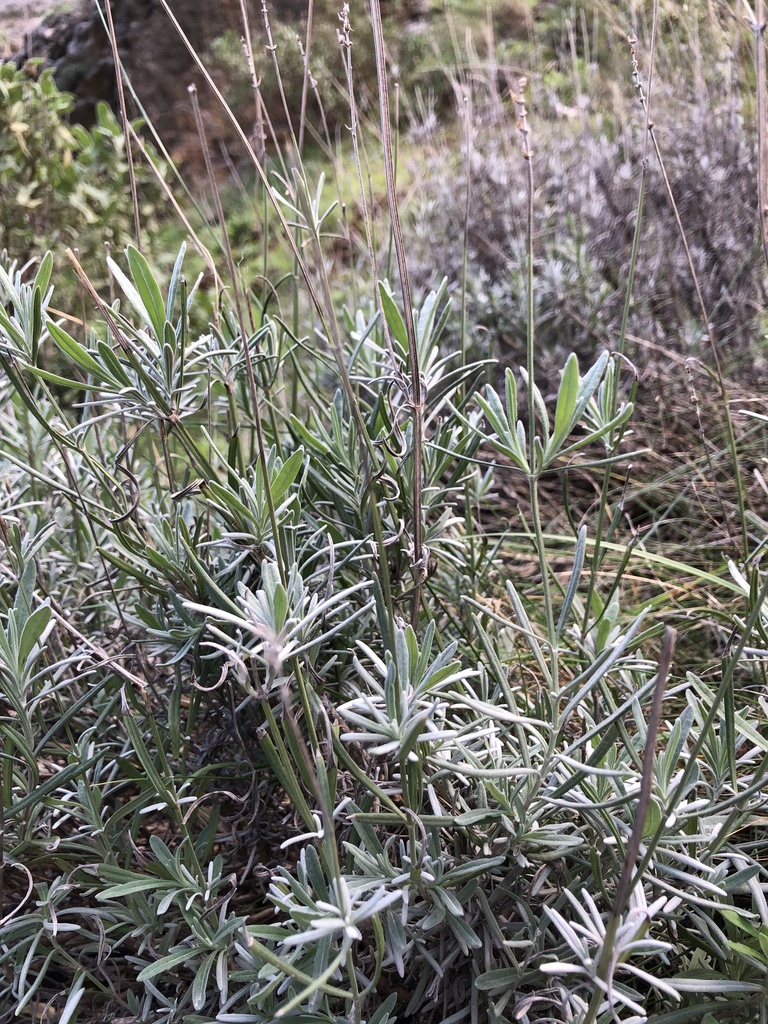
Lavender
- Origin
- Europe
- Part used
- See detailed notebook
- Tradition
- Traditional ethnobotany
Since antiquity, lavender has scented the cupboards and the spirits of people around the Mediterranean. The Romans already used it to perfume their baths, which likely gave it its name, from the Latin "lavare." In the Provençal countryside, it remains a faithful companion for restless evenings and everyday little ailments.
Traditional uses
Easing evening restlessness
Lavender flower is traditionally associated with nervous relaxation and falling asleep. It was readily placed under pillows or in sachets in cupboards for its soothing qualities.
Light digestive comfort
An infusion of dried flowers was used by past generations to accompany difficult digestion and occasional bloating.
Care for minor skin irritations
Infused oil or lavender floral water was traditionally applied to minor irritations, insect bites, or sensitive skin.
Clean air and clear airways
Lavender vapors, inhaled or diffused, traditionally accompanied the clearing of the airways during seasonal chills.
Before you use it
Lavender essential oil is not advised for pregnant or breastfeeding women, nor for young children, without professional guidance. Never ingest the pure essential oil; it is reserved for external use or diffusion, with care. If taking a sedative or anti-anxiety medication, seek advice before regular use. A prior skin patch test is recommended before applying essential oil to the skin, as rare sensitivities exist.
The detailed notebook
- Prepared as a paste or decoction
- Traditional duration of use
- Known contraindications
- Related species and their uses
Where to find it
Partner herbalists — available with the detailed notebook.
Sources
PFAF, Wikipedia