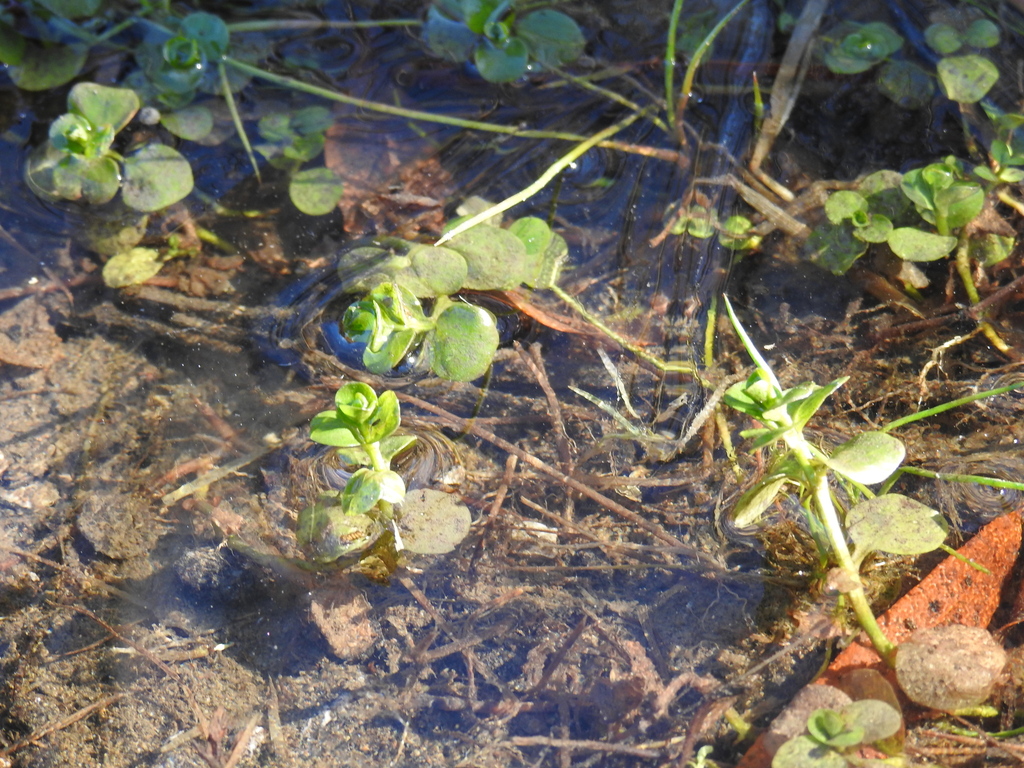
Creeping Jenny
- Origin
- Europe
- Part used
- See detailed notebook
- Tradition
- Traditional ethnobotany
Creeping and unassuming, Creeping Jenny has long carpeted the damp edges and ditch banks of Europe, recognized by its small round leaves reminiscent of coins — hence its old folk name of "moneywort." Country herbalists of old readily gathered it for its gentle uses, particularly for the airways and the skin.
Traditional uses
Traditional support for the airways
The whole plant was traditionally infused to help with minor throat and airway discomfort, particularly persistent coughing.
Care for minor skin wounds
Used externally, Creeping Jenny was applied as a poultice or compress to superficial wounds and irritations, in the tradition of so-called "wound herbs."
Traditional use for mild digestive troubles
Some old herbalist notebooks mention its occasional use to soothe mild digestive upset, though this use is less widespread than the others.
Gargle for ear, nose & throat
The cooled infusion was sometimes used as a traditional gargle to relieve minor irritations of the mouth and throat.
Before you use it
Reserved for occasional traditional use; avoid prolonged consumption without the advice of a health professional. As a precaution, internal use is discouraged for pregnant or breastfeeding women and young children, for lack of sufficient data. In case of persistent cough, fever, or an infected wound, consult a doctor rather than relying on the plant alone. Carry out a patch test before external application, as skin sensitivity can vary from person to person.
The detailed notebook
- Prepared as a paste or decoction
- Traditional duration of use
- Known contraindications
- Related species and their uses
Where to find it
Partner herbalists — available with the detailed notebook.
Sources
Wikipedia