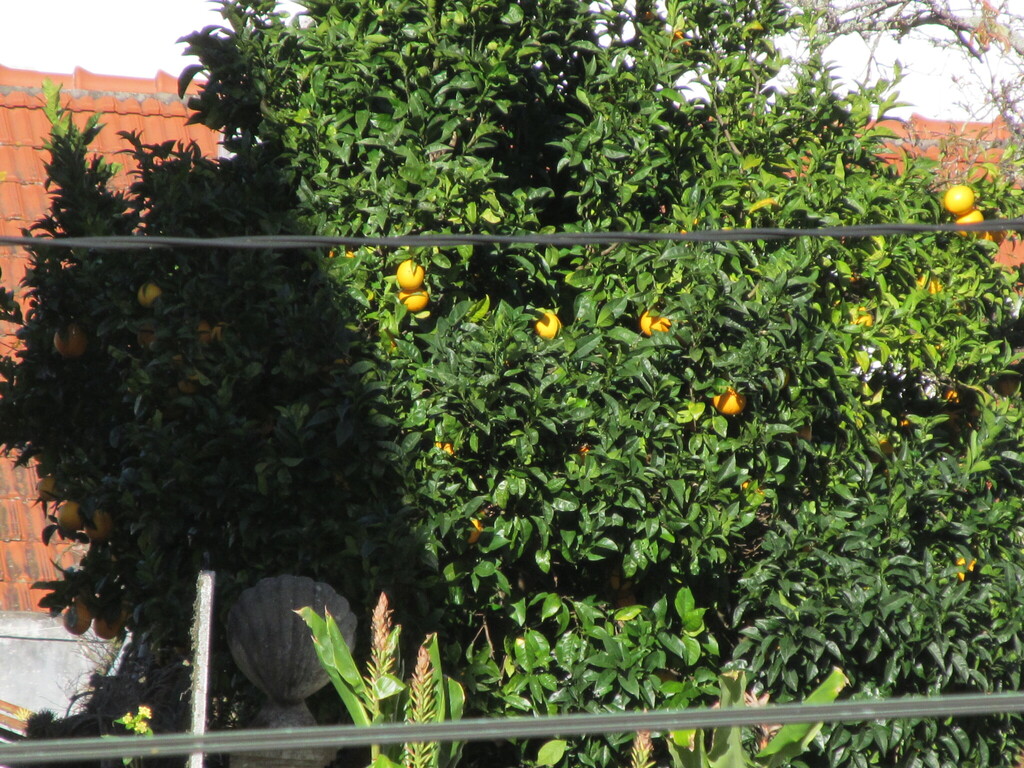
Satsuma Mandarin
- Origin
- Asia
- Part used
- See detailed notebook
- Tradition
- Traditional ethnobotany
Coming from the shores of Japan, the satsuma mandarin has been cultivated for centuries for the sweetness of its fruit and the delicacy of its fragrant peel. In the Far East, this peel was never thrown away: dried and kept, it joined the family remedies passed down from generation to generation.
Traditional uses
Digestive support after meals
The dried peel was traditionally infused to help with heavy digestion and soothe bloating after a hearty meal.
Respiratory comfort
In China and Japan, a light peel decoction was drunk in cold weather, for its warming scent associated with comfort of the throat and bronchi.
Calming through aromatics
The essential oil extracted from the zest, diffused into the air, was used for its soothing scent, promoting an atmosphere conducive to relaxation at the end of the day.
A tonic winter fruit
Rich in vitamin C, the fresh fruit itself was consumed in winter as traditional support for vitality during the cold season.
What to know before use
Zest essential oil is photosensitizing: avoid any sun exposure after skin application. Do not use the pure essential oil on the skin without dilution, nor in pregnant or breastfeeding women, nor in young children, without professional advice. Dried peel in traditional use should remain occasional; if undergoing medication treatment, seek advice from a pharmacist or doctor. Do not consume peel not guaranteed to be from pesticide-free cultivation, due to possible residues on the fruit's skin.
The detailed notebook
- Prepared as a paste or decoction
- Traditional duration of use
- Known contraindications
- Related species and their uses
Where to find it
Partner herbalists — available with the detailed notebook.
Sources
PFAF