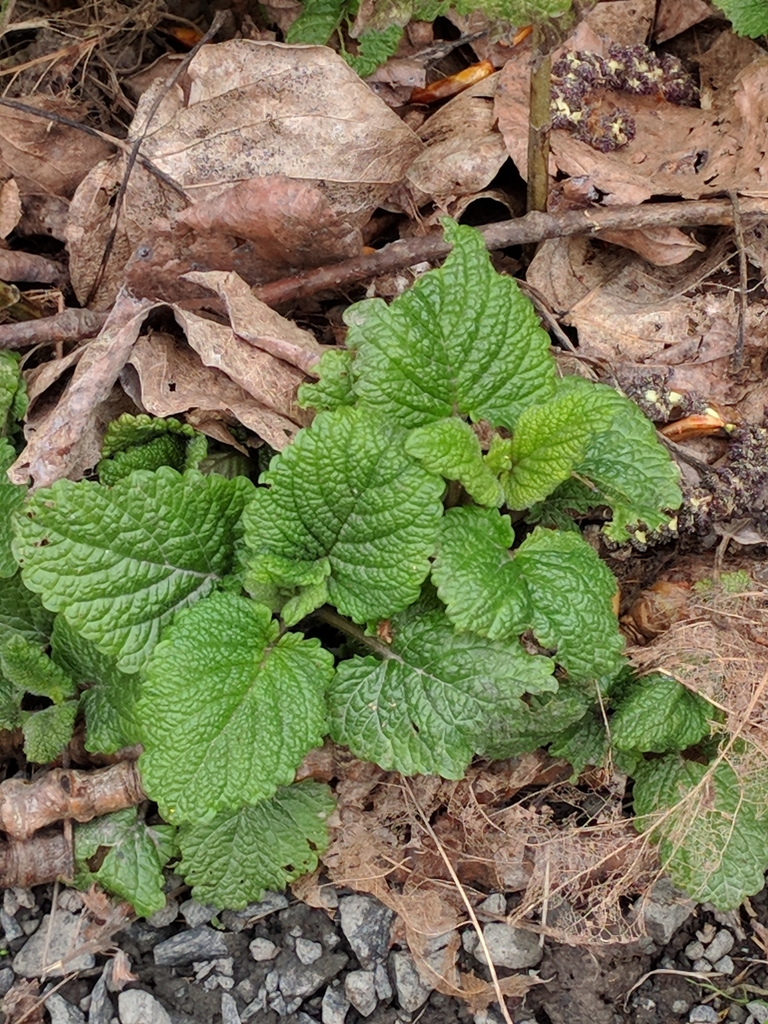
Lemon Balm
- Origin
- Europe
- Part used
- See detailed notebook
- Tradition
- Traditional ethnobotany
In medieval monastery gardens, lemon balm was cherished for its lemony scent and its reputation for soothing troubled hearts. Paracelsus already called it the "elixir of life," so often did it accompany moments of nervous fatigue and difficult digestion. Even today, it remains a familiar companion of European herb gardens.
Traditional uses
Traditional nervous calm
Lemon balm was traditionally used as an evening tea to calm a restless mind and encourage peaceful sleep.
Digestive comfort after meals
Herbalists of the past recommended it as an infusion after meals to relieve bloating and slow digestion.
Support for nervousness
Long used to accompany states of mild nervousness, emotionally-driven palpitations, and everyday tension.
Traditional local application
Used externally, a lemon balm compress was sometimes applied to minor skin irritations, particularly around the lips.
Before you use it
Avoid prolonged use without advice for people on thyroid treatment, as lemon balm may interact with thyroid function. Seek a healthcare professional's advice in case of pregnancy, breastfeeding, or before giving it to young children. Drowsiness may occur; caution is advised if taken alongside sedatives. Does not replace medical advice for persistent sleep or digestive problems.
The detailed notebook
- Prepared as a paste or decoction
- Traditional duration of use
- Known contraindications
- Related species and their uses
Where to find it
Partner herbalists — available with the detailed notebook.
Sources
PFAF