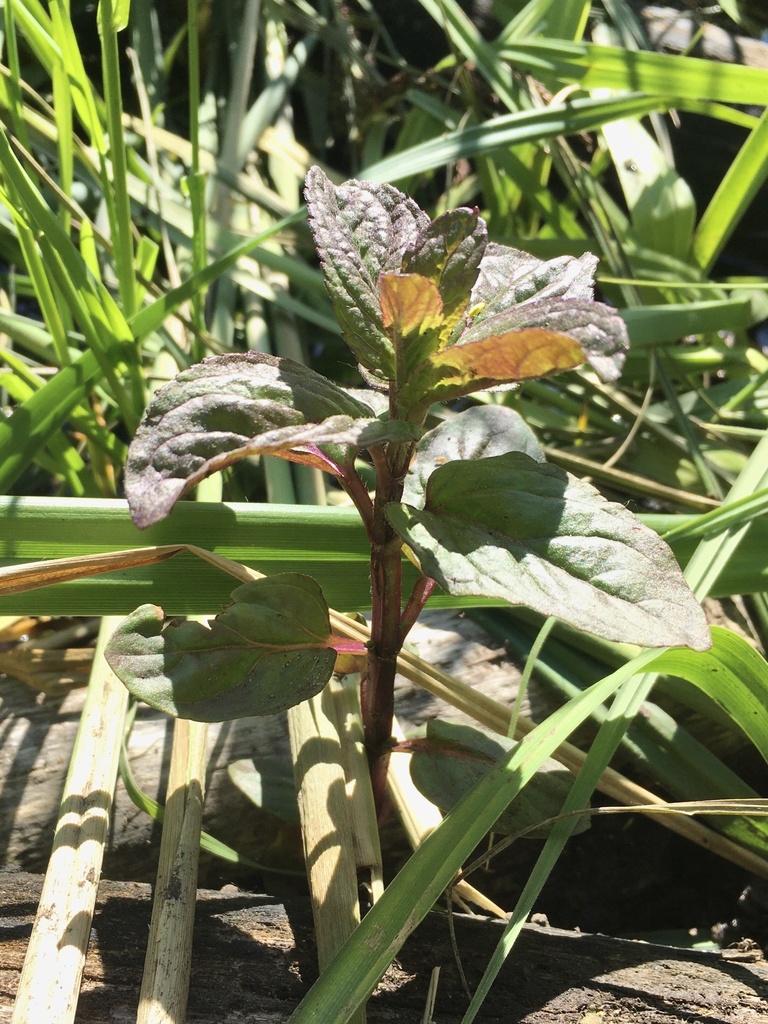
Peppermint
- Origin
- Europe
- Part used
- See detailed notebook
- Tradition
- Traditional ethnobotany
Born of a spontaneous cross between spearmint and water mint, peppermint spread through English gardens as early as the 17th century before conquering the whole of Europe. Herbalists of the past considered it one of the most reliable plants in their garden, as useful in the kitchen as in the household herb basket.
Traditional uses
Comfort after meals
Traditionally infused after meals, peppermint was valued for easing feelings of heaviness and bloating and for aiding digestion.
Calm and relaxation
Its fresh scent and minty taste were associated with a moment of pause, traditionally used to unwind at the end of the day.
Freshness for the airways
Peppermint vapors, inhaled, were traditionally used to clear the airways during seasonal chills.
Freshness and local relief
Applied as a compress or diluted in oil, peppermint was used for its cooling effect on the temples or areas of tension.
Before you use it
Not advised for young children, particularly applied to the face (risk of respiratory spasm linked to menthol). Peppermint essential oil should never be used undiluted on the skin or ingested without professional advice. Avoid in cases of gastroesophageal reflux, as mint can relax the esophageal sphincter. Consult a healthcare professional in case of pregnancy, breastfeeding, or ongoing medication.
The detailed notebook
- Prepared as a paste or decoction
- Traditional duration of use
- Known contraindications
- Related species and their uses
Where to find it
Partner herbalists — available with the detailed notebook.
Sources
PFAF, PubMed