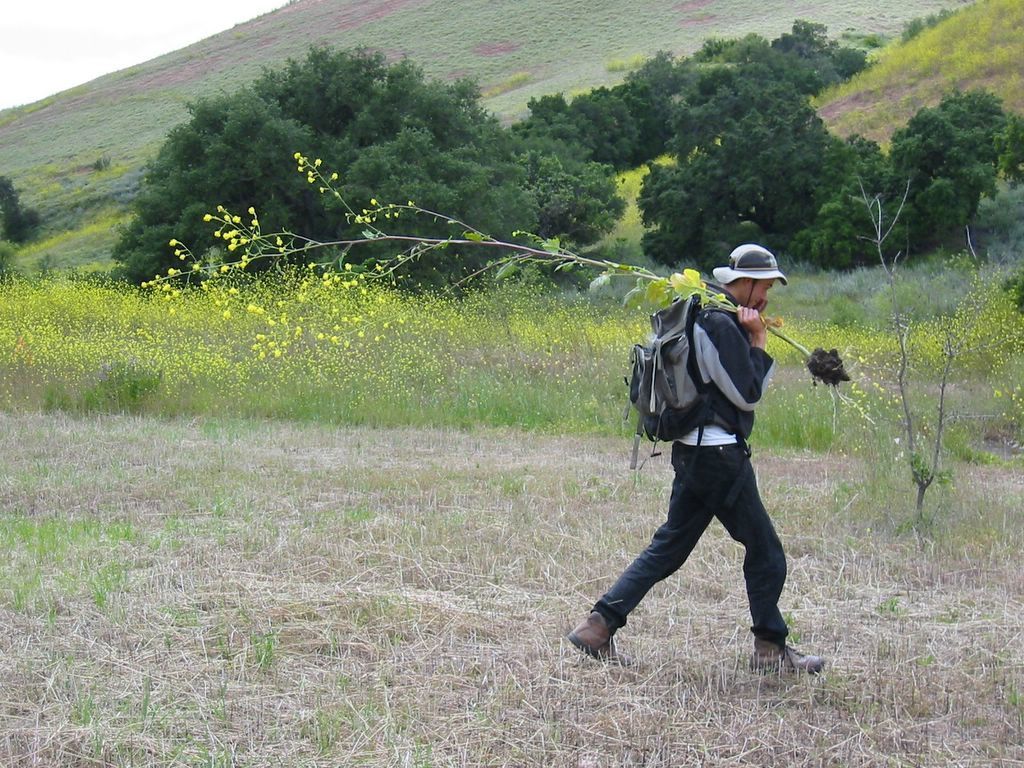
Black mustard
- Origin
- Europe
- Part used
- See detailed notebook
- Tradition
- Traditional ethnobotany
Cultivated since antiquity along the shores of the Mediterranean, black mustard already graced tables and folk remedies long before its white and brown cousins overtook it in the fields. Its pungent seeds, ground into a poultice or brewed as a decoction, were long reputed for their warming, counter-irritant power. The old herbalists regarded it as a plant of "fire," to be handled with judgment.
Traditional uses
A counter-irritant chest poultice
Traditionally, black mustard flour mixed with warm water was applied as a poultice to the chest to clear the airways during winter colds.
Rubs for muscle pain
Used externally, a paste of ground seeds was used to prepare mustard plasters meant to relieve rheumatic and lower-back pain through a local sensation of warmth.
An occasional digestive stimulant
Taken in very small amounts, the seed was sometimes used as a condiment to stimulate the appetite and digestion, in European culinary and folk tradition.
Warming foot baths
Mustard flour diluted in hot water was added to foot baths meant to warm the body and support circulation at the end of a cold day.
Before you use it
Never apply the poultice directly to the skin without protection (cloth or gauze): black mustard is very irritating and can cause burns or blisters with prolonged contact. External use is discouraged for children, pregnant or breastfeeding women, and people with sensitive skin. Do not ingest the seeds in large amounts: they can strongly irritate the digestive mucous membranes. In case of intense redness, pain, or skin damage, remove the preparation immediately and rinse thoroughly; seek the advice of a health professional if in doubt.
The detailed notebook
- Prepared as a paste or decoction
- Traditional duration of use
- Known contraindications
- Related species and their uses
Where to find it
Partner herbalists — available with the detailed notebook.
Sources
PFAF