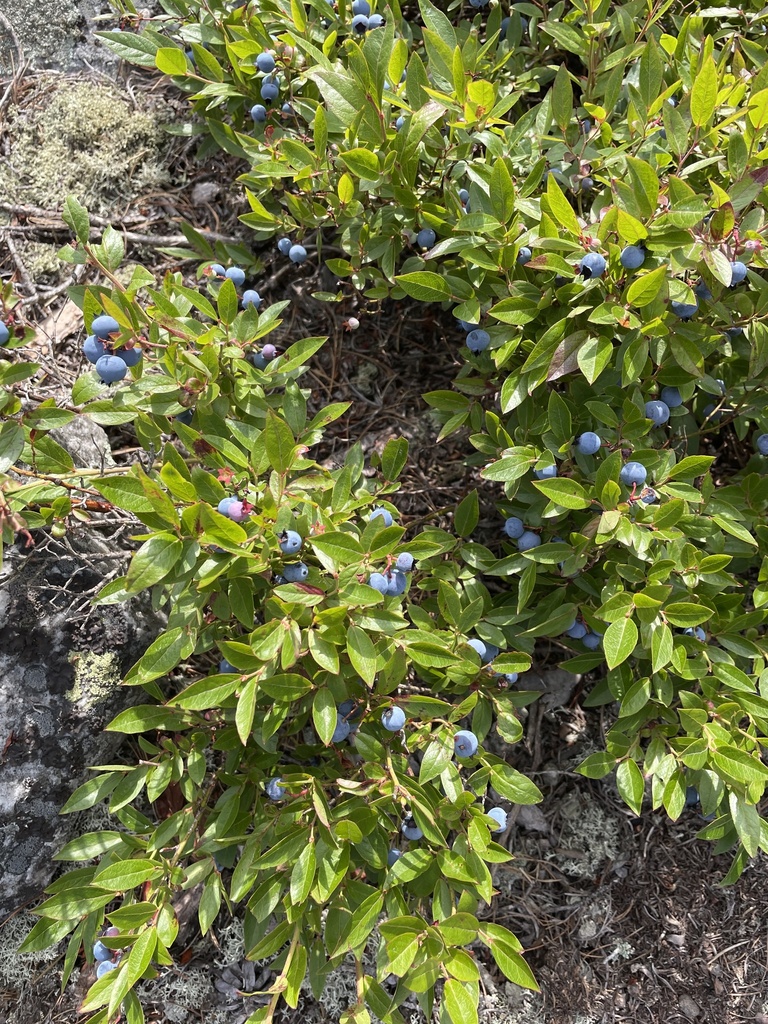
Wild Blueberry
- Origin
- North America
- Part used
- See detailed notebook
- Tradition
- Traditional ethnobotany
On the rocky moors and open woodlands of North America, wild blueberry has been gathered for generations by Indigenous peoples, who valued it as much as a food as an everyday remedy. A small, midnight-blue berry steeped in summer sun, it held a quiet but constant place in the notebooks of the New World's old herbalists.
Traditional uses
Supporting intestinal comfort
The dried berries and leaves were traditionally infused to accompany minor digestive discomfort and episodes of disturbed transit.
Comfort for tired eyes
Wild blueberry has long been associated, notably in North American and European folk traditions, with the well-being of eyesight after prolonged use of the eyes.
Traditional venous tonic
The berries and leaves were used as an herbal tea to accompany the sensation of heavy legs and support good circulation.
Care for minor skin irritations
As a compress or external use, the leaf decoction traditionally served to soothe irritated skin or minor superficial wounds.
Before you use it
The leaves, richer in tannins and active compounds than the berries, should not be consumed for a prolonged period without the advice of a health professional. Regular, prolonged use of the leaves should be avoided during pregnancy or breastfeeding, and in young children, without prior medical advice. If undergoing treatment for diabetes or taking anticoagulant medication, seek advice from a professional before any regular use of the leaves. The fresh or dried berries, eaten as an everyday food, present no particular risk for healthy adults.
The detailed notebook
- Prepared as a paste or decoction
- Traditional duration of use
- Known contraindications
- Related species and their uses
Where to find it
Partner herbalists — available with the detailed notebook.
Sources
Wikipedia