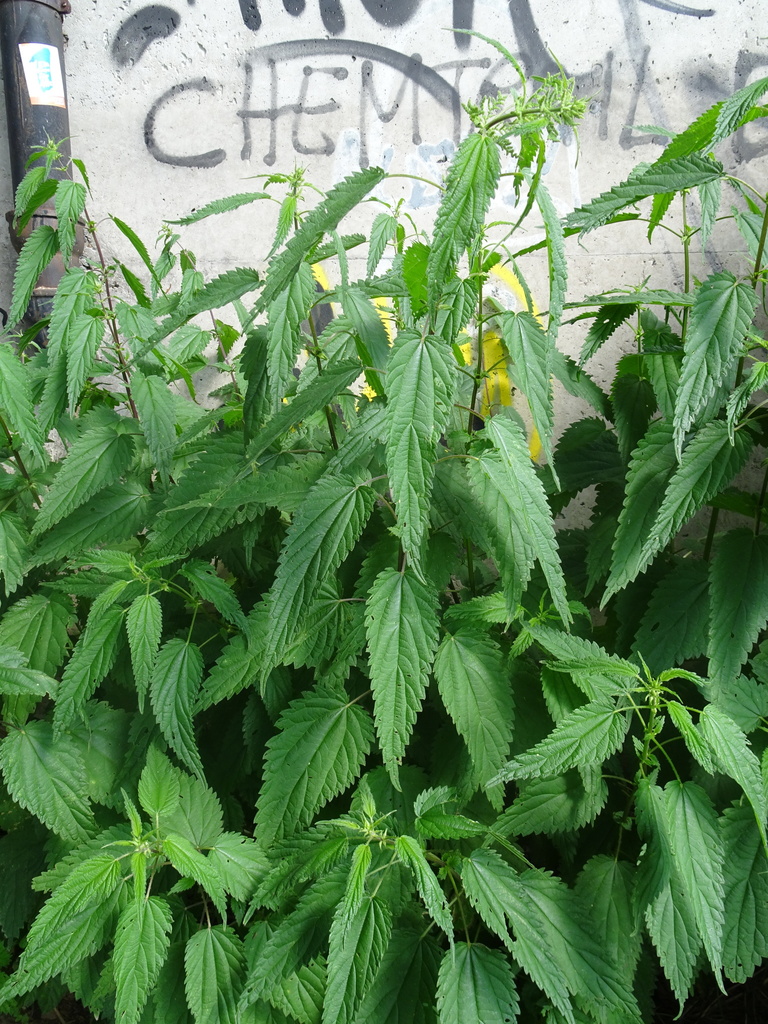
Nettle
- Origin
- Europe
- Part used
- Leaves
- Tradition
- Traditional ethnobotany
In the gardens and wastelands of Europe, nettle was long treated with a mixture of respect and wariness, for its sting is only the first face of a plant with ancient virtues. Herbalists of the countryside gathered it from early spring, considering it one of the most faithful allies of the tired body. It appears in herbals dating back to the Middle Ages, used as much in the kitchen as in everyday remedies.
Traditional uses
Traditional spring tonic
Nettle leaf was traditionally consumed as a spring cure to support the body after winter, reputed to restore vigor and tone.
Traditional support for the urinary tract
An infusion of the leaves was long used as a drink to encourage urinary elimination, as part of a broader detox approach.
Traditional use for joint pain
In Europe, the leaf was used in cures or in local application (stinging friction) to accompany joint and rheumatic discomfort, an old practice known as urtication.
Traditional scalp care
A decoction of the leaves was used as a hair rinse, traditionally said to strengthen the hair and cleanse the scalp.
Before you use it
Wear gloves when picking fresh leaves, as contact causes stinging (itching, redness). Consult a healthcare professional if taking diuretic, anticoagulant, or blood-pressure-lowering medication, due to possible interactions. As a precaution, avoid prolonged or high-dose use during pregnancy or breastfeeding, given insufficient data. Stop the cure if digestive discomfort or an unusual skin reaction occurs.
The detailed notebook
- Prepared as a paste or decoction
- Traditional duration of use
- Known contraindications
- Related species and their uses
Where to find it
Partner herbalists — available with the detailed notebook.
Sources
Wikipedia