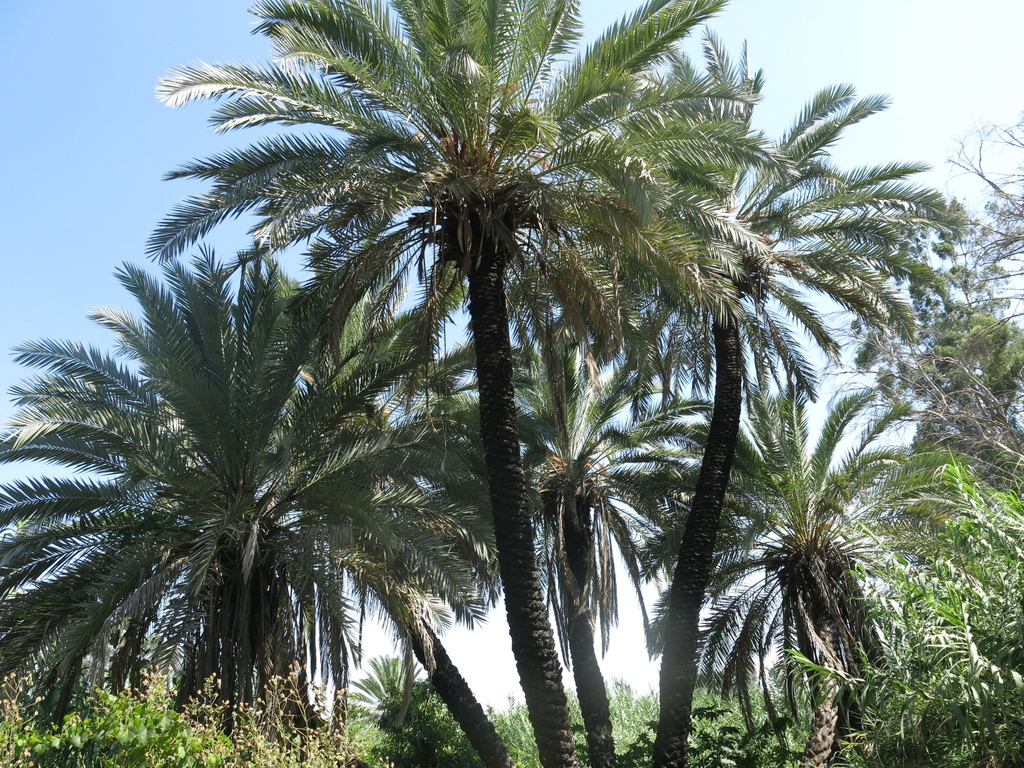
Date Palm
- Origin
- Middle East
- Part used
- See detailed notebook
- Tradition
- Traditional ethnobotany
From the oases of Mesopotamia to the banks of the Nile, the date palm has accompanied desert peoples for millennia, nourishing both the body and their traditions. A tree of life for caravaneers and Bedouins, its fruit, its pit, and even its pollen have found a place in Middle Eastern folk uses. It was once nicknamed "the blessed tree," so useful did every part of it seem.
Traditional uses
Before you use it
Preparations made from dates are rich in natural sugars: people with diabetes should limit their consumption and seek advice from a health professional. The date pit, sometimes used as a decoction or roasted, should be consumed in moderation and never whole in young children (choking risk). During pregnancy, breastfeeding, or ongoing medical treatment, it is recommended to seek the advice of a health professional before any regular traditional use.
The detailed notebook
- Prepared as a paste or decoction
- Traditional duration of use
- Known contraindications
- Related species and their uses
Where to find it
Partner herbalists — available with the detailed notebook.
Sources
PFAF