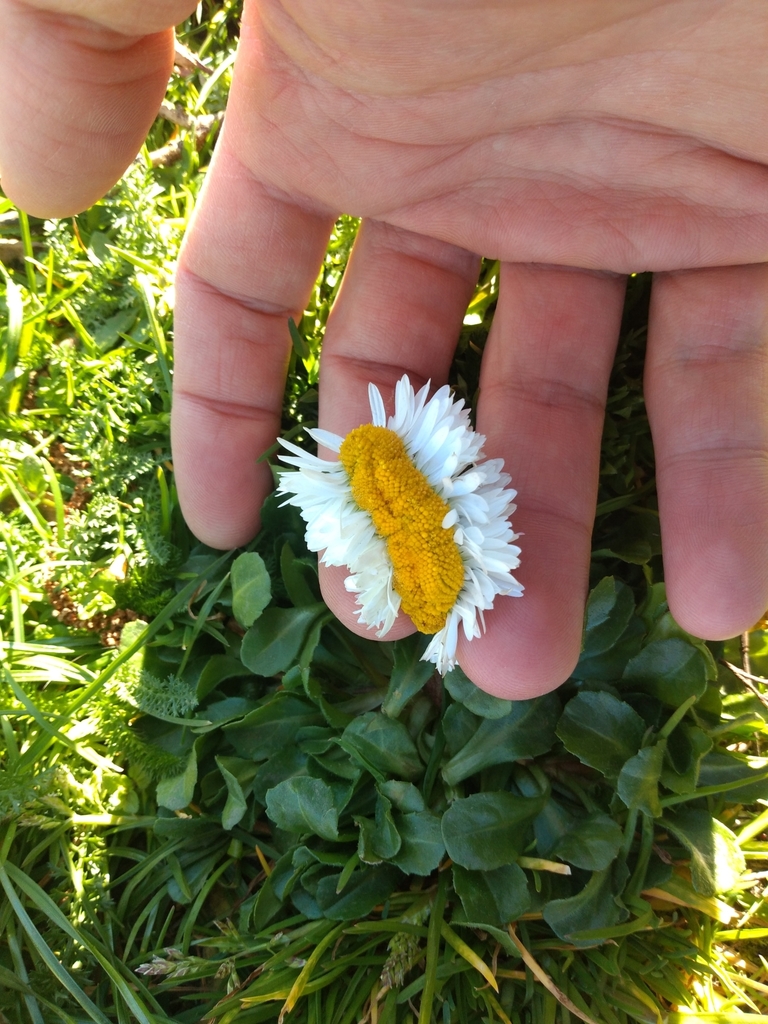
daisy
- Origin
- Europe
- Part used
- Leaves
- Tradition
- Traditional ethnobotany
A modest inhabitant of meadows and gardens, the daisy was long considered by folk herbalists to be arnica's little sister, used to ease the small ailments of everyday life. Its very name, derived from 'pâques' (Easter), recalls that it blooms with the first fine days and has accompanied the countryside for centuries. Old herbal notebooks readily mention it for household uses and skin care.
Traditional uses
Soothing minor skin bumps
Fresh leaves or a compress were traditionally applied to minor bruises and bumps, in the same manner as arnica.
Traditional digestive infusion
As an infusion, the daisy was used by folk herbalists to help with difficult digestion after heavy meals.
Support for the airways
A light leaf decoction was sometimes used as a tea to soothe the throat and accompany seasonal colds.
Care for minor irritations
Crushed leaves used as a poultice traditionally served to calm superficial skin irritations.
Before you use it
Avoid prolonged use without a healthcare professional's advice, particularly in pregnant or breastfeeding women, due to insufficient data. Do not apply to an open wound or damaged skin without medical advice. Reserve internal use for small, occasional amounts, as this plant is not a common everyday tea. When in doubt, during ongoing treatment, or with a predisposition to daisy-family allergies, seek a professional's advice before any use.
The detailed notebook
- Prepared as a paste or decoction
- Traditional duration of use
- Known contraindications
- Related species and their uses
Where to find it
Partner herbalists — available with the detailed notebook.
Sources
PubMed, Wikipedia