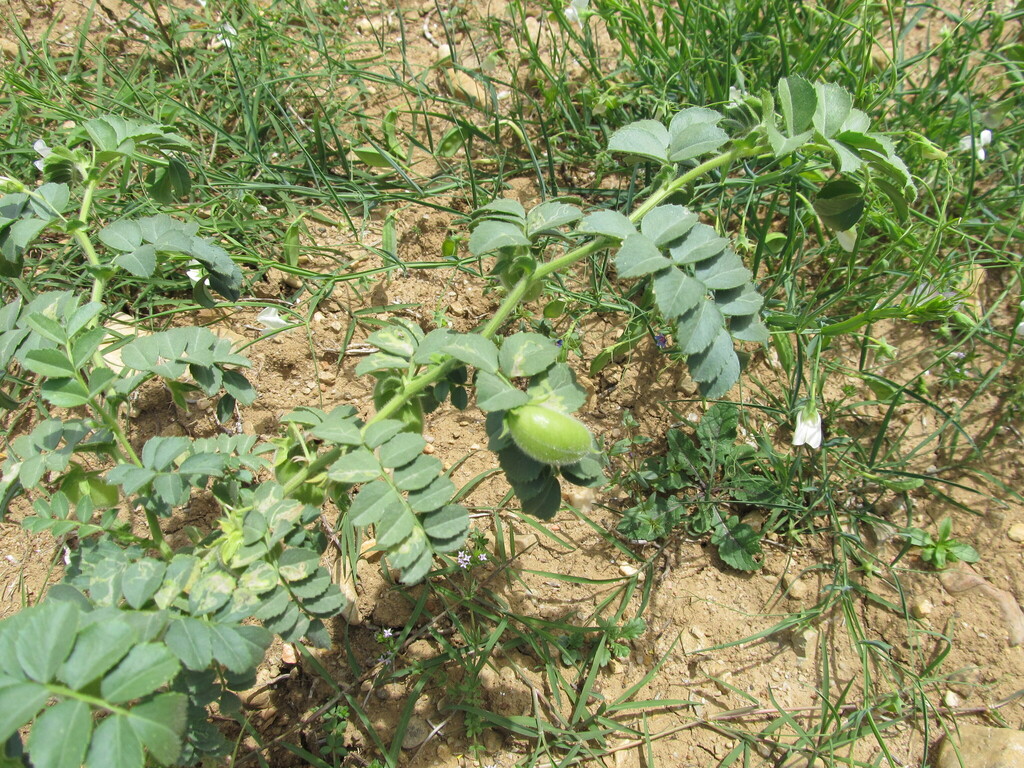
Chickpea — tradition of Asia
Entry No. 297 · Asia
Chickpea
Cicer arietinum
- Origin
- Asia
- Part used
- See detailed notebook
- Tradition
- Traditional ethnobotany
Cultivated for millennia across the Fertile Crescent and the highlands of Asia, the chickpea has long been as much food as everyday remedy. Ancient herbalists considered it a strengthening food, fit to support a weakened body and accompany convalescence.
II.
Traditional uses
Precautions
Learn more →
Before you use it
May cause bloating or digestive discomfort in those sensitive to legumes, especially when eaten raw or undercooked. Raw chickpeas contain antinutritional substances that long cooking removes; never eat them raw. In cases of urinary stones, gout, or chronic digestive disorders, the advice of a healthcare professional is recommended before regular use as a tisane or decoction.
The detailed notebook
Traditional dosage, step-by-step preparation, precautions, and known interactions.
✦
- Prepared as a paste or decoction
- Traditional duration of use
- Known contraindications
- Related species and their uses
Where to find it
Partner herbalists — available with the detailed notebook.
Sources
PFAF
Content for historical and informational purposes — not a substitute for medical advice.
Herbier des Anciens