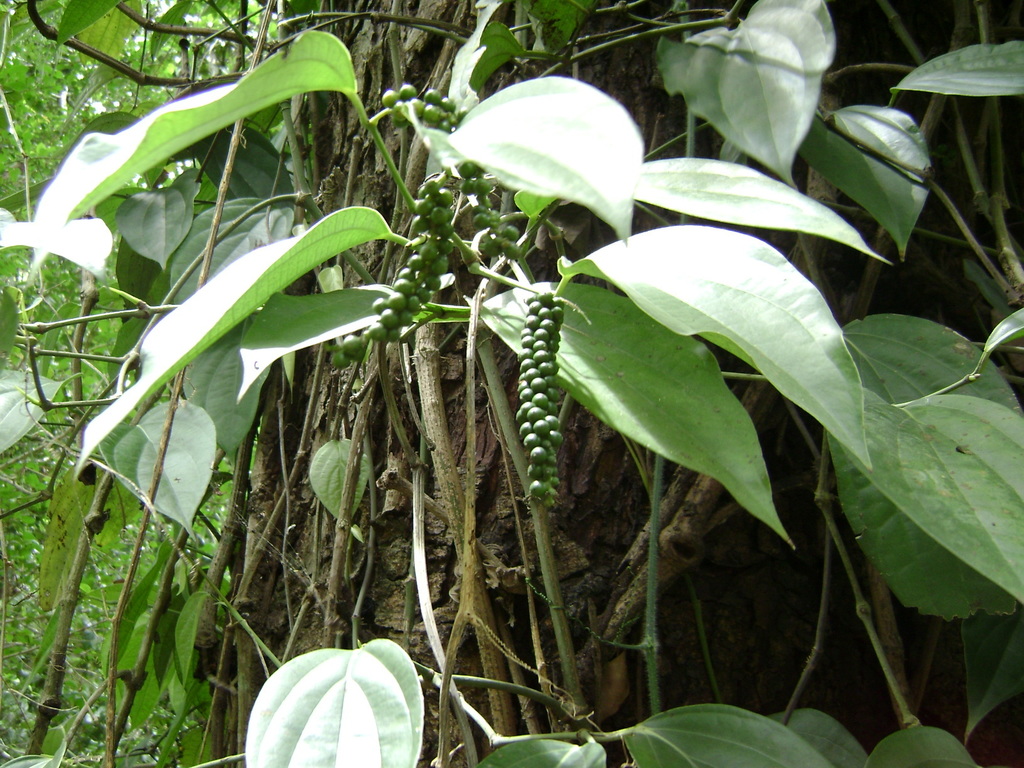
Black Pepper
- Origin
- Asia
- Part used
- See detailed notebook
- Tradition
- Traditional ethnobotany
Coming from the damp forests of the Malabar coast, black pepper was long called the "black gold" of the trade routes, so much fortune and covetousness did it bring. Long before flavoring our tables, its dried berries were held in Asia to be a remedy for digestion and vitality, carried by caravans and then by ships to the apothecaries of the West.
Traditional uses
Digestive support
In Asia, black pepper was traditionally chewed or infused after meals to stimulate the appetite and aid digestion considered sluggish.
Respiratory comfort
Mixed with honey or other warming spices, it was used in traditional preparations intended to clear the throat and warm the body in cold, damp weather.
A tonic, warming spice
Considered a warming spice in nature in traditional Asian medicine, it was used to restore liveliness and promote a feeling of internal warmth.
A traditional external use
Ground into powder and mixed with other substances, pepper was sometimes used in poultices intended to locally warm an area of the body.
What to know before use
At a high dose, black pepper can irritate the digestive mucous membranes; it is not recommended in cases of ulcer or marked reflux. Use as a poultice or skin application should remain brief and occasional, as it can cause a burning sensation or local irritation. Concentrated preparations (tincture, extract) should be avoided in pregnant or breastfeeding women without the advice of a health professional. If undergoing medication treatment, seek advice, as pepper can influence the absorption of certain substances.
The detailed notebook
- Prepared as a paste or decoction
- Traditional duration of use
- Known contraindications
- Related species and their uses
Where to find it
Partner herbalists — available with the detailed notebook.
Sources
PFAF