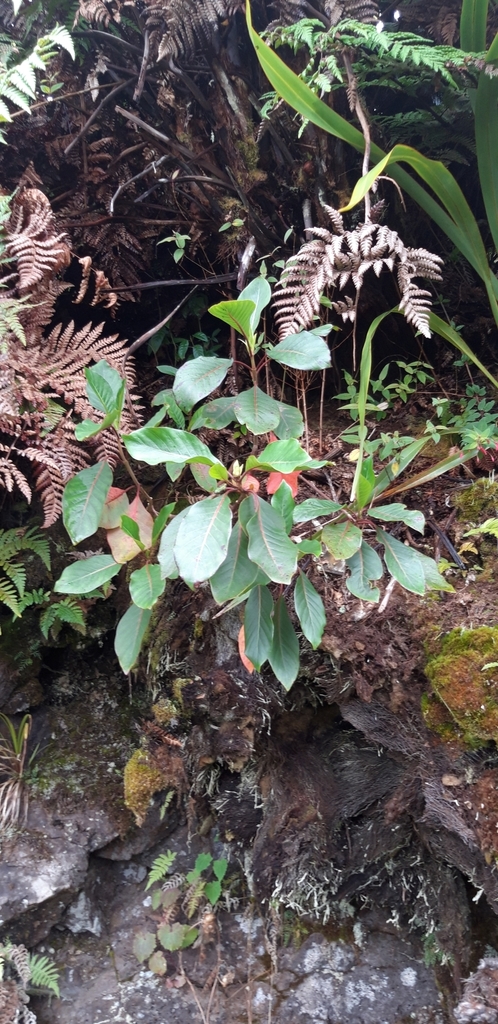
Quinquina
- Origin
- South America
- Part used
- Bark
- Tradition
- Traditional ethnobotany
Native to the Andean forests, quinquina owes its renown to its bitter bark, discovered and used by the peoples of the Andes long before Spanish explorers brought its use back to Europe in the seventeenth century. Long regarded as a precious remedy against fevers, it left a lasting mark on the history of Western pharmacopoeia and gave rise to quinine.
Traditional uses
A traditional fever remedy
Quinquina bark was historically used by Andean peoples and then by Europeans to combat intermittent fevers, notably those associated with malaria, before quinine was isolated.
A bitter digestive tonic
Owing to its pronounced bitterness, the bark was traditionally used in small amounts to stimulate appetite and support digestion.
A traditional fortifier
Quinquina was once among the bitter tonics reputed to restore strength after illness or general weakness.
A traditional use against cramps
Some folk traditions associated quinquina bark with a use against nighttime cramps, linked to its bitter compounds and alkaloids.
What to know before use
A plant rich in alkaloids (including quinine) that can be toxic at high doses: never exceed traditional doses without professional advice. Contraindicated during pregnancy, breastfeeding, and in children. Possible interactions with many medications, particularly those affecting heart rhythm or blood clotting: seek the advice of a doctor or pharmacist before any use. Prolonged or poorly dosed use can cause hearing, visual, or digestive disturbances (a syndrome known as cinchonism).
The detailed notebook
- Prepared as a paste or decoction
- Traditional duration of use
- Known contraindications
- Related species and their uses
Where to find it
Partner herbalists — available with the detailed notebook.
Sources
PFAF, Wikipedia