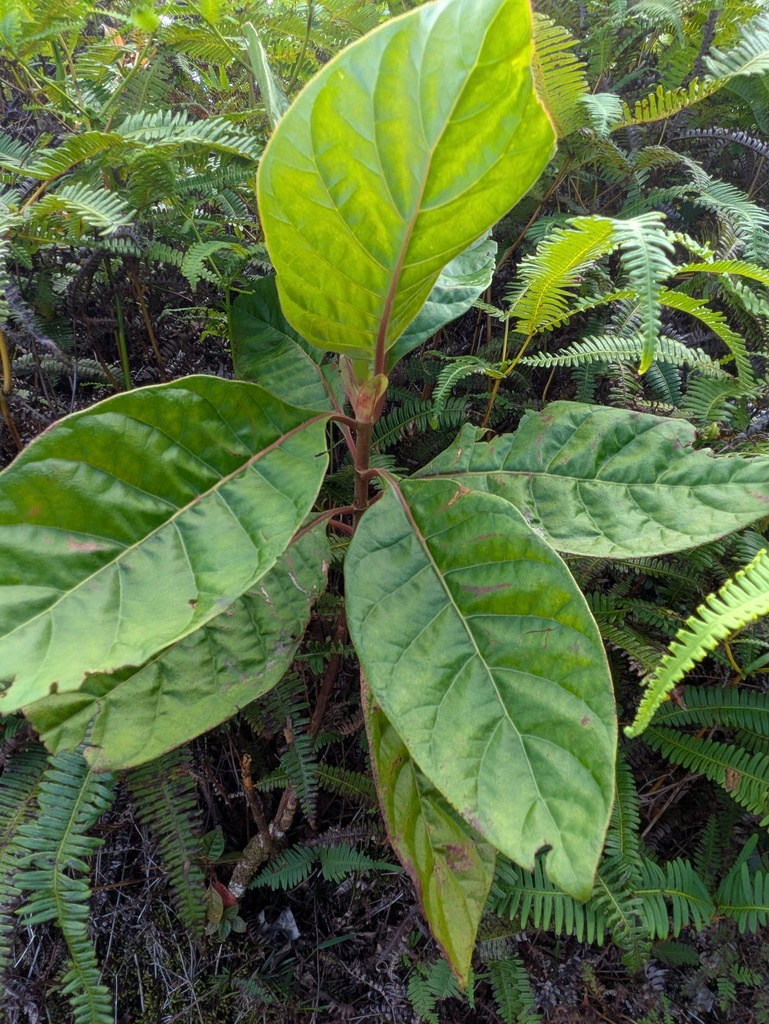
Red Cinchona
- Origin
- North America
- Part used
- Root
- Tradition
- Traditional ethnobotany
Coming from the Andean slopes, red cinchona owes its renown to its bitter bark, once more precious than gold in Europe's apothecaries. Herbalists of old nicknamed it "Jesuit's powder," for it crossed the oceans to relieve travelers' fevers. Its harsh taste, long dreaded, has remained associated in folk memory with vigor regained.
Traditional uses
Stimulating the appetite
The bitter bark was traditionally used as an aperitif to open the appetite and encourage digestive secretions, following Andean and later European folk uses.
A fortifier during convalescence
Historically reputed as a febrifuge, red cinchona accompanied convalescents weakened by fevers, before its alkaloids were isolated by modern medicine.
Traditional bitter tonic
Preparations made from the bark were considered tonic and restorative, used occasionally to support a tired body.
Support for venous circulation
In certain herbalist traditions, cinchona was associated with the comfort of heavy legs and venous tone.
Before you use it
Do not use without the advice of a health professional: the root contains potent alkaloids (including quinine) with a narrow therapeutic margin. Contraindicated during pregnancy or breastfeeding, and in children. Risk of interaction with numerous medications (anticoagulants, cardiac treatments, digoxin in particular). Prolonged use or excessive doses may cause hearing, vision, or heart disturbances (cinchonism).
The detailed notebook
- Prepared as a paste or decoction
- Traditional duration of use
- Known contraindications
- Related species and their uses
Where to find it
Partner herbalists — available with the detailed notebook.
Sources
PFAF, Wikipedia