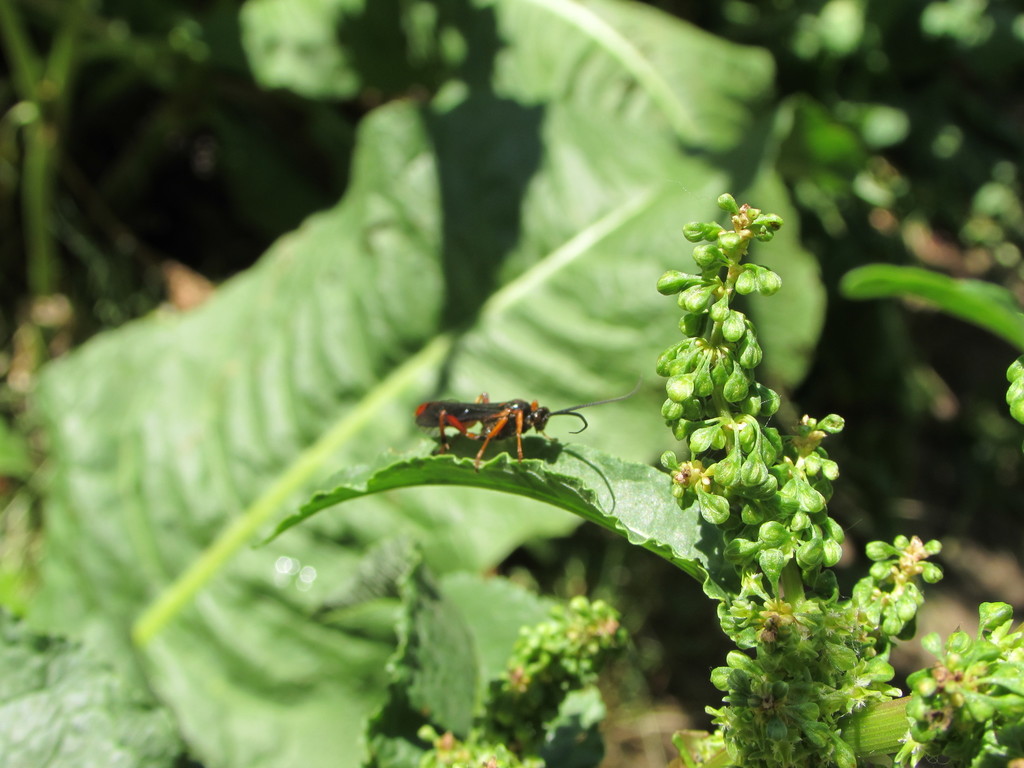
Rumex crispus
- Origin
- Europe
- Part used
- Leaves, Root
- Tradition
- Traditional ethnobotany
Rumex crispus, or curled dock, has grown along paths and in the damp meadows of Europe since time immemorial. The old herbalists held it in esteem for its bitter root, readily linked to spring cleansing cures, and for its leaves, sometimes cooked as a wild vegetable.
Traditional uses
Support for digestion and the liver
Curled dock root was traditionally used in a spring cure to support digestive and liver function, in the line of bitter cleansing plants.
Minor skin conditions
Root-based preparations were once applied to the skin to soothe certain irritations, as part of traditional skin-cleansing care.
A blood tonic, called "plant iron"
The root, rich in tannins and iron-bearing compounds, was reputed in folk tradition to support vitality during fatigue, particularly in weakened people.
Leaves eaten as a wild vegetable
The young leaves, cooked to soften their sharpness, were part of the peasant diet alongside other wild greens of the European countryside.
Before you use it
The root contains oxalates and anthraquinone compounds that can have a marked laxative effect at high doses: prolonged or uncontrolled use is not recommended. Discouraged for pregnant or breastfeeding women, as well as young children, in the absence of sufficient safety data. People prone to calcium-oxalate kidney stones or suffering from kidney problems should avoid the root, which is rich in oxalates. The advice of a doctor or a qualified herbalist is recommended before any internal use, particularly if undergoing medical treatment (possible interactions with certain medications, notably digestive or diuretic ones).
The detailed notebook
- Prepared as a paste or decoction
- Traditional duration of use
- Known contraindications
- Related species and their uses
Where to find it
Partner herbalists — available with the detailed notebook.
Sources
Wikipedia